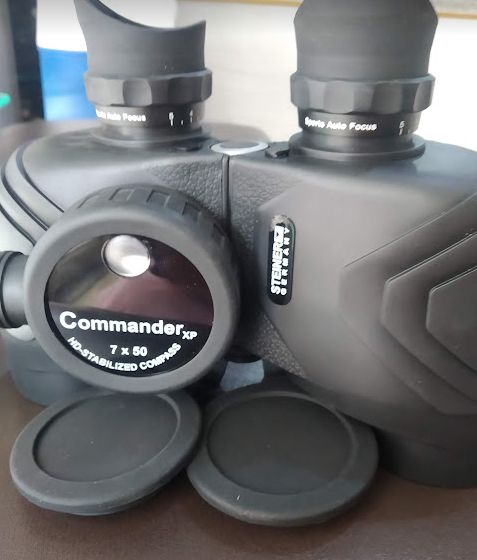
When choosing binoculars for camping, you’ll want a portable, durable pair suitable for various outdoor activities like wildlife observation, stargazing, or simply enjoying the scenery. Here are some key features to consider:
1. Magnification and Objective Lens Diameter
- 8×42 or 10×42: A good balance between magnification and light-gathering capability. The first number is the magnification (e.g., 8x or 10x), and the second is the diameter of the objective lens in millimetres. A larger lens lets in more light, which is beneficial in low-light conditions like dawn or dusk.
- 7×35: Also a good option if you want something lighter and more compact.
2. Weight and Size
- Compact and Lightweight: You’ll likely be carrying these around for camping, so something compact and lightweight (around 1 to 1.5 pounds) is ideal.
- Folding Design: Some binoculars fold up for easier packing.
3. Durability
- Waterproof and Fog-proof: Look for binoculars that are nitrogen-purged and O-ring sealed to prevent moisture from getting inside.
- Rubber Armor: Provides shock resistance and a non-slip grip.
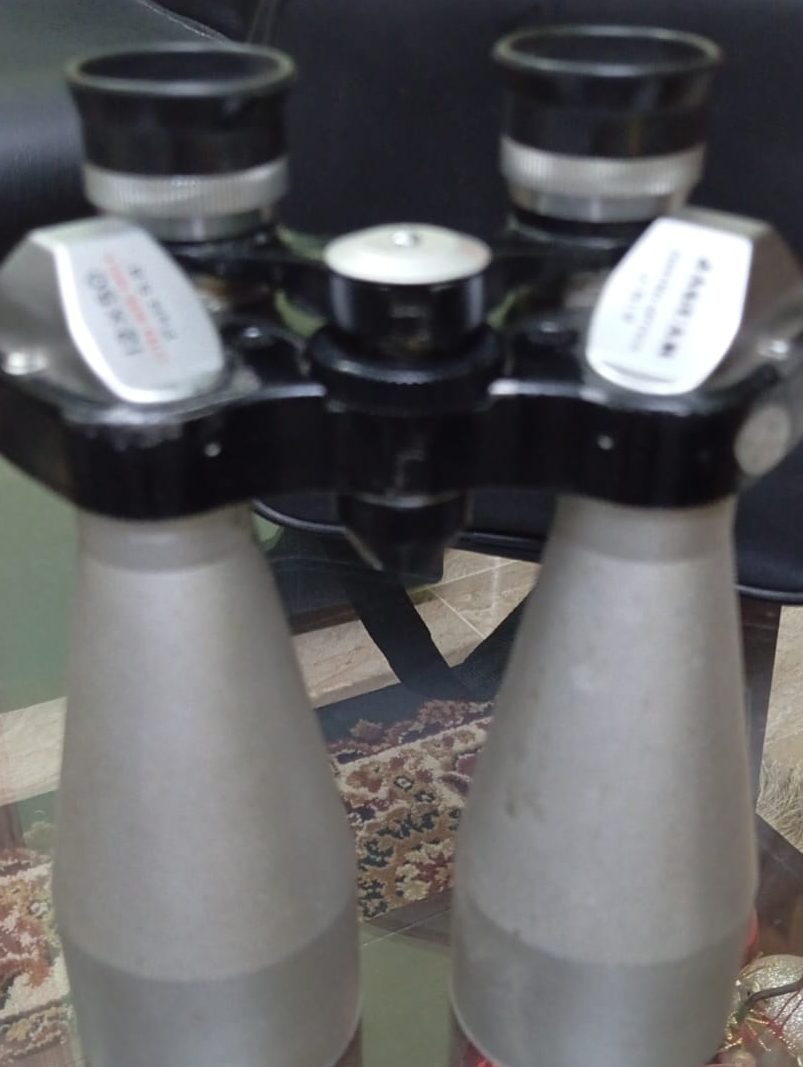
Unite Eye 10-30×50 High Powered Military Binoculars for Bird Watching
4. Field of View
- A wider field of view helps track moving animals or scan large landscapes. A field of view around 300-400 feet at 1,000 yards is typical for camping purposes.
5. Lens Coating
- Fully Multi-Coated (FMC): Ensures better light transmission and clearer images, particularly in low-light conditions.
6. Eye Relief
- Long Eye Relief (14mm or more): Important if you wear glasses, allowing you to see the full field of view without removing them.
Recommended Models:
- Nikon Monarch 5 8×42: Known for excellent image clarity, durability, and a reasonable price point.
- Vortex Optics Diamondback HD 10×42: Offers a good balance between performance and cost, with great durability and image quality.
- Bushnell H2O Waterproof/Fogproof 8×42: Budget-friendly option with decent performance for camping.
- Celestron Nature DX 8×42: Another budget-friendly model with good optics and durability.
Would you like more detailed information or comparisons between specific models?