
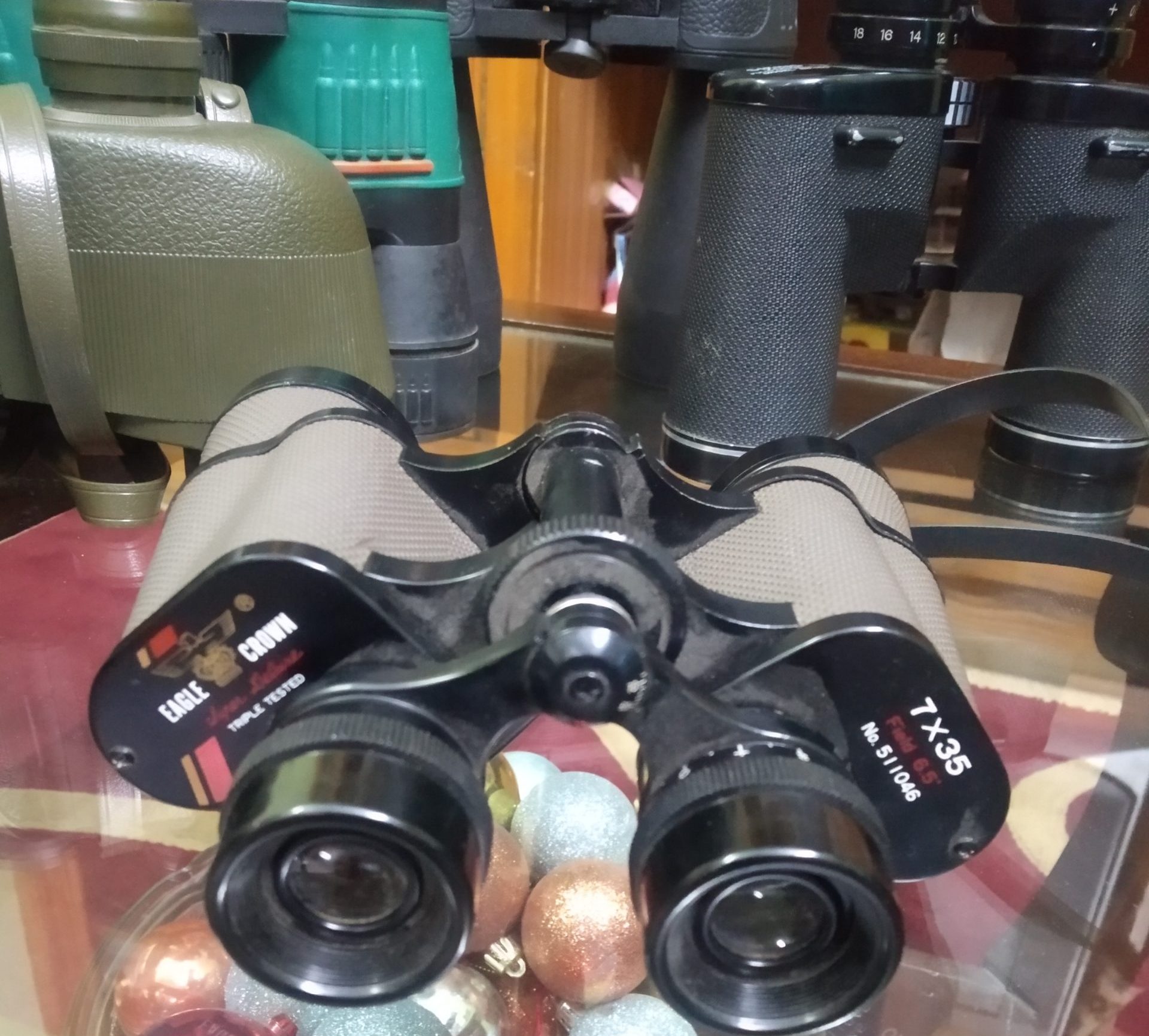
What type of binoculars are best for astronomy? For astronomy, you’ll want binoculars that provide a wide field of view, good light-gathering capability, and comfortable use during long observation sessions. Here are the key features to consider when choosing binoculars for stargazing:
1. Magnification and Aperture
- Magnification (e.g., 10x, 15x): Higher magnification allows you to see more detail, but it also narrows the field of view and may make the binoculars harder to hold steady. A magnification of 7x to 15x is common for astronomy binoculars.
- Aperture (e.g., 50mm, 70mm): The aperture (the diameter of the objective lenses) is crucial because it determines how much light the binoculars can gather. A larger aperture (50mm or more) is better for stargazing, allowing you to see fainter objects.
2. Prism Type
- Porro Prism: These offer better depth perception and a wider field of view, making them popular for astronomy.
- Roof Prism: While more compact and lightweight, roof prism binoculars typically provide a narrower field of view, which might be less ideal for stargazing.
3. Field of View
- A wide field of view (FOV) benefits astronomy because it allows you to see more of the sky at once. Binoculars with a FOV of 5° or more are generally preferred.

4. Eye Relief
- Eye relief is the distance you can hold the binoculars away from your eyes and still see the full field of view. This is especially important if you wear glasses. An eye relief of 15mm or more is generally comfortable.
5. Weight and Stability
- Larger binoculars can be heavy, making them difficult to hold steady for long periods. You may consider using a tripod or choosing binoculars with built-in image stabilization.
6. Coatings
- Look for binoculars with fully multi-coated optics. These coatings reduce glare and improve light transmission, leading to brighter and clearer images.
Recommended Models for best for astronomy?:
- Celestron SkyMaster 15×70: A popular choice for stargazing, offering a good balance between magnification and aperture.
- Orion 20×80 Astronomy Binoculars: Larger and more powerful, but might require a tripod due to their weight.
- Nikon 10×50 Action Extreme: Well-suited for handheld use, with excellent optics and a wide field of view.
These considerations will help you find a pair of binoculars that suits your needs for astronomy.
Binoculars lens for Astronomy
When choosing binoculars for astronomy, the key factors to consider are the aperture (the size of the objective lenses), magnification, lens quality, and overall build. Here’s a breakdown of what to look for:
1. Aperture (Objective Lens Diameter):
- The aperture is crucial because it determines how much light the binoculars can gather. For astronomy, a larger aperture is better as it allows more light to enter, making celestial objects appear brighter and more detailed.
- Recommended Aperture: 50mm or larger is ideal for stargazing. Common sizes include 10×50, 15×70, and 20×80.
What does 20×50 binoculars mean?
2. Magnification:
- Higher magnification brings celestial objects closer, but it also narrows the field of view and can make the image shakier.
- Recommended Magnification: 7x to 15x is typical for handheld use. Anything above 15x generally requires a tripod for steady viewing.
3. Lens Quality:
- Look for binoculars with fully multi-coated lenses. These coatings reduce light loss and glare, providing brighter and clearer images.
- Prisms: Binoculars usually use either Porro or Roof prisms. Porro prism binoculars are often preferred for astronomy due to their better depth perception and wider field of view.
4. Field of View:
- A wide field of view is beneficial for scanning the night sky and locating objects. The field of view is usually expressed in degrees or as the width of the visible area at 1,000 yards/meters.
5. Exit Pupil:
- The exit pupil is the diameter of the light beam exiting the eyepiece. For astronomy, a larger exit pupil (around 5mm to 7mm) is preferable as it aligns well with the dark-adapted human eye.
6. Build Quality:
- Ensure the binoculars are durable, waterproof, and have a comfortable grip. Rubber armor is a good feature for added protection and ease of handling in cold conditions.
7. Weight:
- Larger binoculars with bigger lenses will be heavier, which can make them difficult to hold steady for long periods. Consider using a tripod for better stability with heavy binoculars.
Popular Models for Astronomy:
- Celestron SkyMaster 15×70: A great balance of power and light-gathering capability, and it’s relatively affordable.
- Nikon 10×50 Aculon A211: Offers sharp optics and a wide field of view, good for beginners.
- Orion 20×80 Astronomy Binoculars: High magnification and large objective lenses, best used with a tripod.
Accessories:
- Tripod Adapter: Necessary for mounting larger binoculars on a tripod.
- Carrying Case: Protects the binoculars during transport and storage.
- Lens Caps and Cleaning Kit: Keeps the lenses clean and protected.
These factors will guide you to the right binoculars for your stargazing needs.


