Binocular Vision Dysfunction (BVD) is a condition where the eyes struggle to work together as a coordinated team. Normally, both eyes should align and focus on the same point in space to create a single, clear image.
However, in Binocular Vision Dysfunction, there is a misalignment between the eyes, even if it’s small and often not noticeable.
Key Points About Binocular Vision Dysfunction:
- Common Symptoms: People with BVD may experience a variety of symptoms, including double vision, blurred vision, headaches, dizziness, difficulty reading, eye strain, and even anxiety or balance issues.
- Common Causes: BVD can be caused issues such as a congenital misalignment, trauma to the head or eyes, or conditions that affect the muscles or nerves controlling eye movement.
- Types: There are different forms of BVD, including:
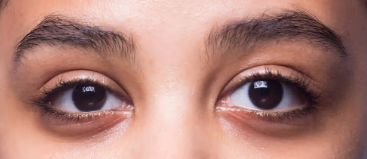
- Vertical Heterophoria: A vertical misalignment of the eyes, where one eye may be slightly higher than the other.
- Convergence Insufficiency: The inability of the eyes to focus properly on close objects.
- Diagnosis: BVD is often diagnosed by an optometrist or ophthalmologist through a detailed eye examination. Special tests may be used to assess how the eyes work together and measure the degree of misalignment.
- Good Treatment: Treatment for BVD often involves the use of prism glasses, which help to realign the images seen by each eye, reducing symptoms.
What does 30×60 binoculars mean?
- Vision therapy may also be recommended to strengthen the eye muscles and improve coordination.
Binocular Vision Dysfunction can significantly impact quality of life, but with proper diagnosis and treatment, many people experience relief from their symptoms.
Binocular Vision Dysfunction Test
Therefore Binocular Vision Dysfunction (BVD) is a condition where the eyes are misaligned, leading to symptoms such as headaches, dizziness, eye strain, and difficulty reading. There are a few different tests that can be used to diagnose BVD, typically conducted by an optometrist or ophthalmologist.
Common Tests for Binocular Vision Dysfunction:
- Cover Test:
- A simple test where one eye is covered while the other eye focuses on an object. The test checks for any movement in the uncovered eye, which might indicate a misalignment.
- Clear Prism Test:
- This test uses prisms in front of the eyes to measure how much the eyes are misaligned. By placing prisms of varying strengths in front of one eye, the optometrist can quantify the degree of misalignment.
- Phoria Test:
- This test measures the tendency of the eyes to drift inward (esophoria) or outward (exophoria) when focusing on an object. It helps determine if the eyes are properly aligned when relaxed.
- Ocular Motility Testing:
- This assesses the movement of the eyes in all directions. It can help identify any issues with the muscles that control eye movement.
- Near Point of Convergence (NPC) Test:
- Measures the closest point at which the eyes can maintain binocular vision. Difficulty maintaining focus on a near object can indicate BVD.
- Observe Stereopsis Test:
- Tests depth perception, which can be affected in Binocular Vision Dysfunction. This often involves looking at images through polarized lenses to see if you can perceive three-dimensional objects.
At-Home Symptom :
Some optometrists may offer online or printable checklists to screen for symptoms of Binocular Vision Dysfunction. These checklists often include questions about headaches, eye strain, dizziness, and reading difficulties.
If you suspect you have BVD, it is important to consult with an eye care professional who can conduct these tests and offer treatment options, such as prismatic lenses or vision therapy.