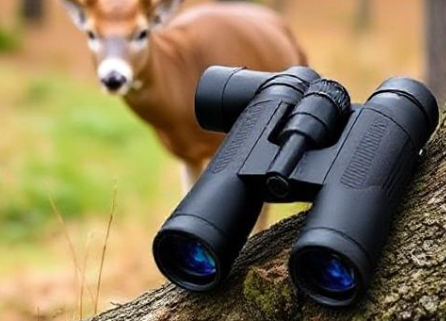
What does a binocular lens do? This is a hot question about binocular lenses.A binocular lens refers to the optical lenses used in binoculars, which are optical devices designed to provide a magnified view of distant objects.
Binoculars consist of two parallel telescopes, one for each eye, allowing for a stereoscopic view with depth perception. A binocular lens, used in a pair of binoculars, serves several key functions:
- Magnification: The primary purpose of binocular lenses is to magnify distant objects, making them appear closer and more detailed. The lenses achieve this by bending light rays to focus on a point the human eye can perceive as an enlarged image.
- Light Collection: The lenses collect light from the viewed object and direct it through the binoculars. Larger objective lenses (the lenses farthest from the eyes) gather more light, making images appear brighter and clearer, especially in low-light conditions.
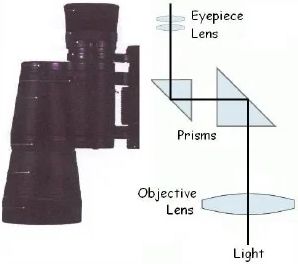
- Image Formation: The lenses combine to form a clear, sharp image. The objective lenses gather light and form an initial image, which is then magnified and corrected by the eyepiece lenses (the lenses closest to the eyes).
What does 10×50 mean in binoculars?
- Field of View: The configuration of the lenses affects the field of view, or the width of the area that can be seen through the binoculars at a given distance. Wider lenses and specific designs can provide a larger field of view.
- Correcting Image Orientation: Binoculars typically use a series of prisms in conjunction with the lenses to correct the orientation of the image. Without these prisms, the image would appear upside down and reversed. The most common prism designs are Porro prisms and roof prisms.
- Reducing Aberrations: High-quality binocular lenses are designed to minimize optical aberrations, such as chromatic aberration (colour fringing) and spherical aberration (blurring). This ensures that the image remains sharp and color-accurate.
Overall, the lenses in binoculars are crucial for magnifying distant objects, providing a clear and bright image, and ensuring that the observed scene is correctly oriented and free from distortions.