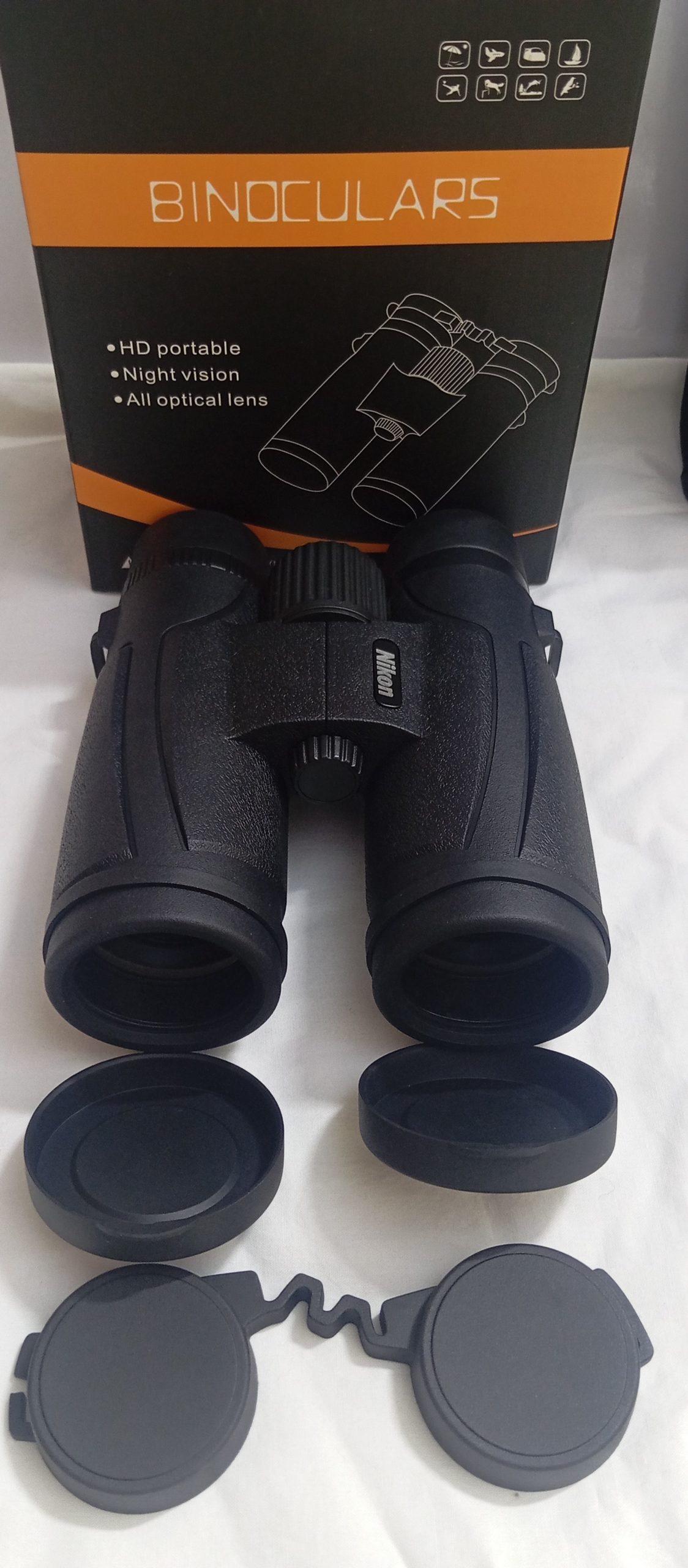
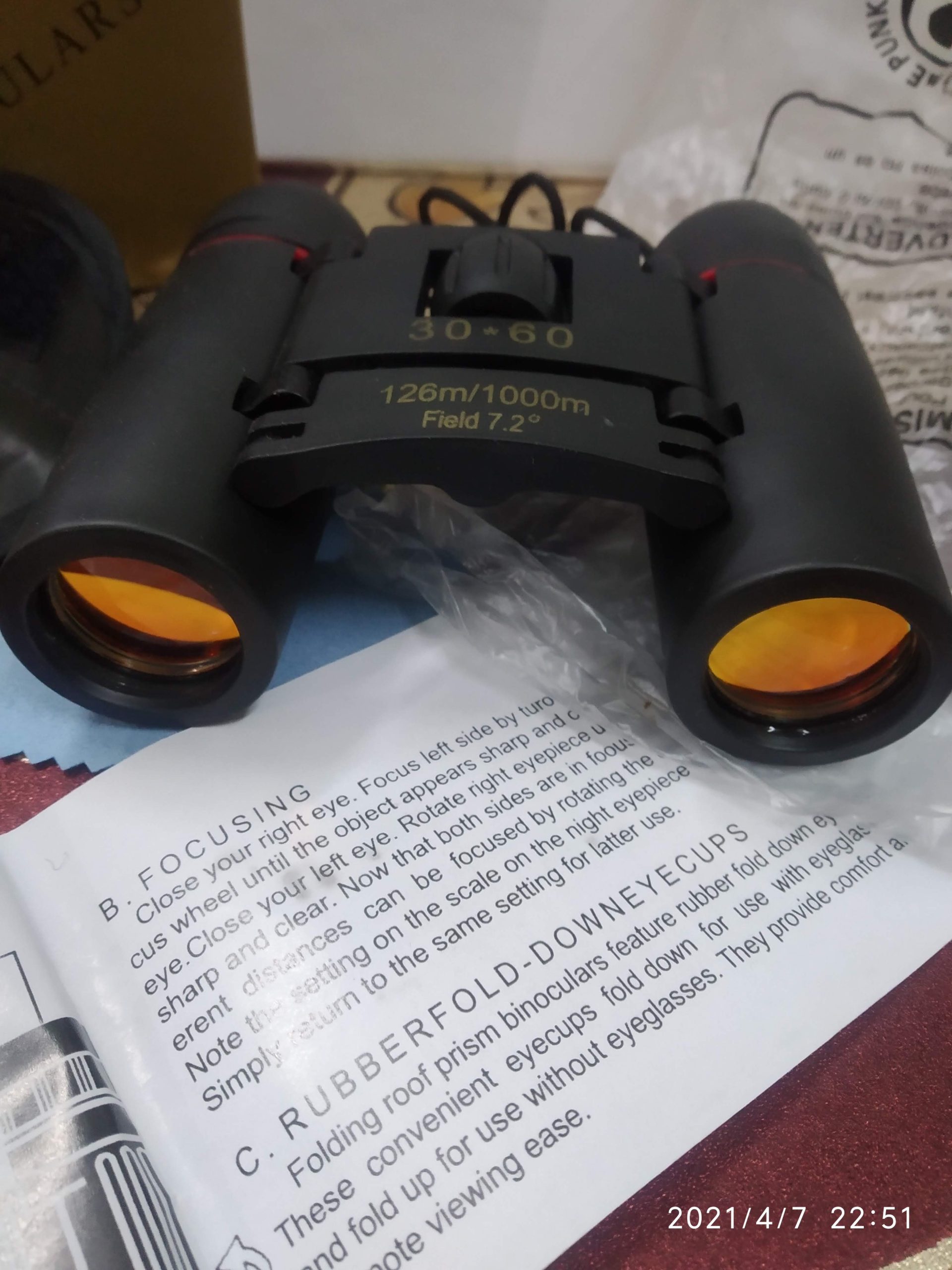
“30×60 binoculars” refer to a pair of binoculars with specific magnification and objective lens diameter measurements. Here’s what the numbers mean:
- 30x: The first number (30) represents the magnification power. In this case, it means that objects viewed through the binoculars appear 30 times closer or larger than they would with the naked eye.
- 60: The second number (60) refers to the diameter of the objective lenses (the lenses farthest from your eyes) in millimetres. A 60 mm objective lens diameter means that each lens is 60 mm across. Larger objective lenses allow more light to enter, which can improve image brightness and clarity, especially in low-light conditions.

However, it’s worth noting that some binoculars labelled as “30×60” might not adhere to these exact specifications. In some cases, the labelling can be misleading, and the actual magnification and objective lens diameter may differ. This often occurs with budget or lower-quality binoculars. Always check the product details and reviews for accurate information.
30×60 binocular specification
A 30×60 binocular typically refers to binoculars with a magnification of 30x and objective lenses with a diameter of 60mm. Here’s a breakdown of the specifications:
- Magnification (30x): The binoculars can magnify the view by 30 times. This means that objects will appear 30 times closer than they are to the naked eye.
- Objective Lens Diameter (60mm): The diameter of the front lenses is 60 millimetres. Larger objective lenses allow more light to enter the binoculars, which can provide a brighter and clearer image, especially in low-light conditions.
- Field of View: Typically, higher magnification binoculars like 30x might have a narrower field of view, meaning you see less area side to side at a given distance. The field of view is often expressed in feet at 1000 yards or meters at 1000 meters.
- Exit Pupil: The exit pupil is the diameter of the beam of light that exits the eyepiece. It’s calculated by dividing the objective lens diameter by the magnification (60mm/30x = 2mm). A smaller exit pupil may result in a dimmer image, especially in low-light conditions.
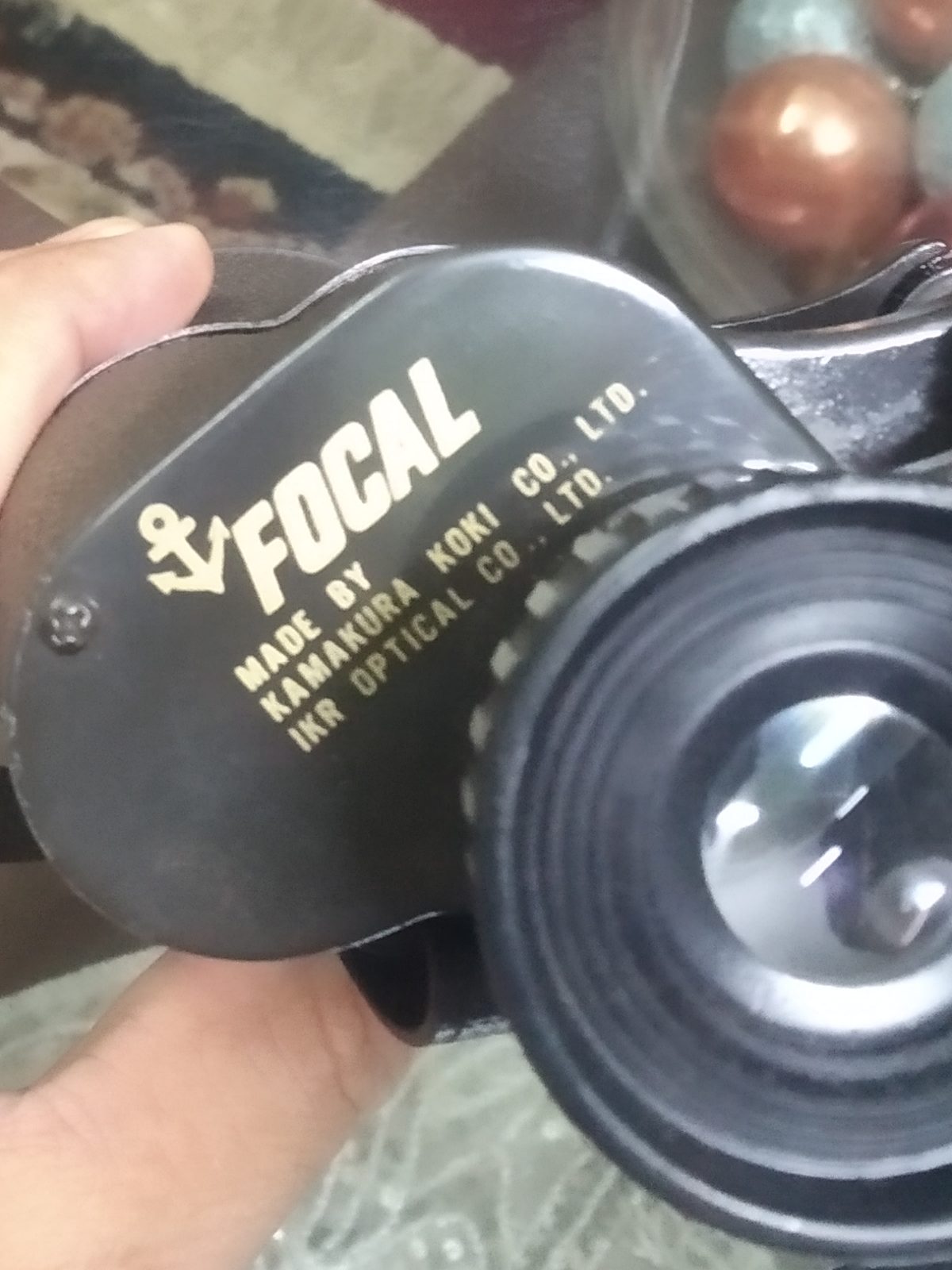
- Eye Relief: The distance from the eyepiece lens to your eye where you can still see the entire field of view. Shorter eye relief can be uncomfortable, especially for those who wear glasses.
- Weight and Size: With large objective lenses (60mm), these binoculars can be relatively heavy and bulky, making them less ideal for extended use without a tripod.
- Prism Type: These binoculars could use either Porro prisms or roof prisms, affecting their size and the quality of the image.
What are the best binoculars for distance?
- Coating: The lenses might have coatings to reduce glare and improve light transmission, which can enhance image brightness and contrast.
- Build Quality: This may include water-resistance, fog-proofing, and shockproof features depending on the model.
- Focus Mechanism: This could be centre-focus with a diopter adjustment for fine-tuning focus differences between the eyes.
These binoculars would be suitable for long-distance viewing, such as bird watching, hunting, or astronomy, but may require stabilization due to the high magnification.