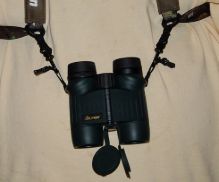
The term “20×50 binoculars” refers to specific features of the binoculars:
- 20x: This indicates the magnification power of the binoculars. An object viewed through these binoculars will appear 20 times closer or larger than it would with the naked eye.
- 50: This refers to the diameter of the objective lenses (the large lenses at the end of the binoculars) in millimetres. A 50mm objective lens diameter allows more light to enter the binoculars, which can improve image brightness and clarity, especially in low-light conditions.
In summary, 20×50 binoculars provide 20 times magnification and have objective lenses that are 50 millimetres in diameter.
Higher magnifications in binoculars are often sought after for a closer view of distant objects. However, there are several factors to consider when choosing binoculars with higher magnifications:

Higher magnifications in binoculars
Pros of Higher Magnification Binoculars
- Closer View: Higher magnification allows you to see distant objects in greater detail.
- Enhanced Observations: Useful for activities like bird watching, stargazing, and observing wildlife or sports events.
LANDVIEW 25-75×60 Spotting Scope With Mobile Stand & Tripod
Cons of Higher Magnification Binoculars
- Stability Issues: Higher magnifications amplify hand movements, making the image shakier. This often necessitates the use of a tripod.
- Narrower Field of View: As magnification increases, the field of view typically decreases, which can make it harder to locate and follow moving objects.
- Reduced Brightness: Higher magnification can lead to a dimmer image because the light is spread over a larger area.
- Eye Strain: Extended use of high-magnification binoculars can lead to eye strain and discomfort.
Factors to Consider
- Objective Lens Diameter: A larger objective lens (the front lenses) can gather more light, which helps maintain image brightness at higher magnifications. For example, 10×50 binoculars (10x magnification with 50mm objective lenses) will generally provide a brighter image than 10×25 binoculars.
- Exit Pupil: This is the diameter of the light beam exiting the eyepiece. It is calculated by dividing the objective lens diameter by the magnification. A larger exit pupil is preferable for low-light conditions.
- Prism Type: Binoculars use either Porro prisms or roof prisms. Porro prisms are generally bulkier but can offer better image quality at higher magnifications. Roof prisms are more compact but can be more expensive for similar quality.
- Coatings: Lens coatings (such as fully multi-coated lenses) enhance light transmission, reduce glare, and improve image clarity and contrast, which is especially important at higher magnifications.
- Build Quality: Higher magnification binoculars often need to be more robust to handle the increased demands of stability and optical precision.
Practical Considerations
- Portability: Higher magnification binoculars tend to be larger and heavier, impacting portability.
- Purpose: Determine the primary use of the binoculars. For casual viewing, lower magnification (7x to 10x) might be more practical. For specialized activities like detailed astronomical observation, higher magnifications (15x or more) might be more suitable but often require additional stabilization equipment.
- Budget: Higher quality binoculars with better optics and higher magnification can be significantly more expensive.
Recommendations
- Casual Use: For general-purpose use, 8x to 10x magnification is often ideal.
- Bird Watching/Wildlife: 8×42 or 10×42 binoculars are popular choices, balancing magnification, field of view, and brightness.
- Astronomy: For stargazing, consider binoculars with 15x or higher magnification and larger objective lenses (e.g., 15×70), but be prepared to use a tripod for stability.
In summary, while higher magnifications provide closer views, they come with trade-offs in terms of stability, brightness, and field of view. Balancing these factors based on your specific needs will help you choose the best binoculars for your purposes.