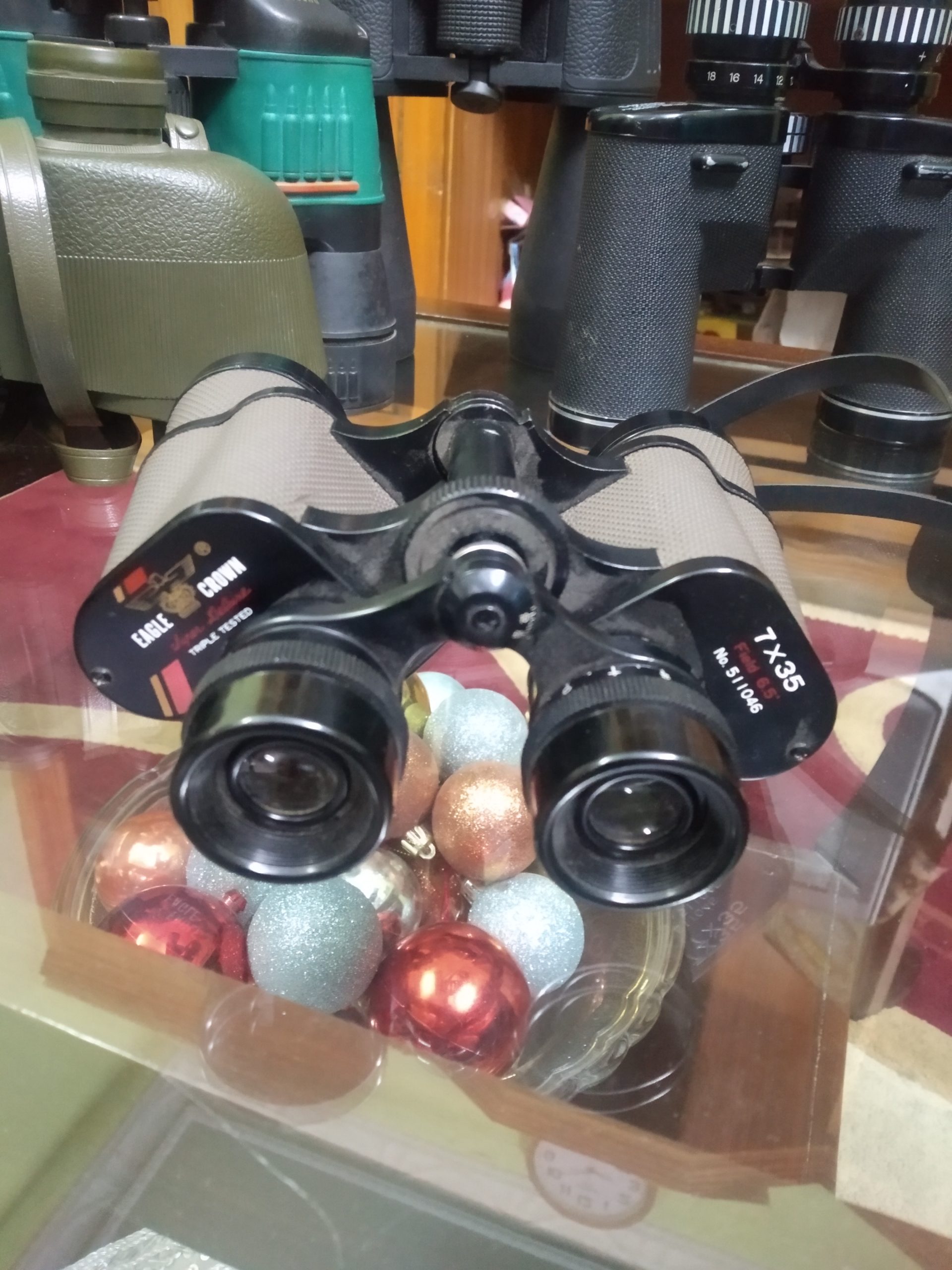
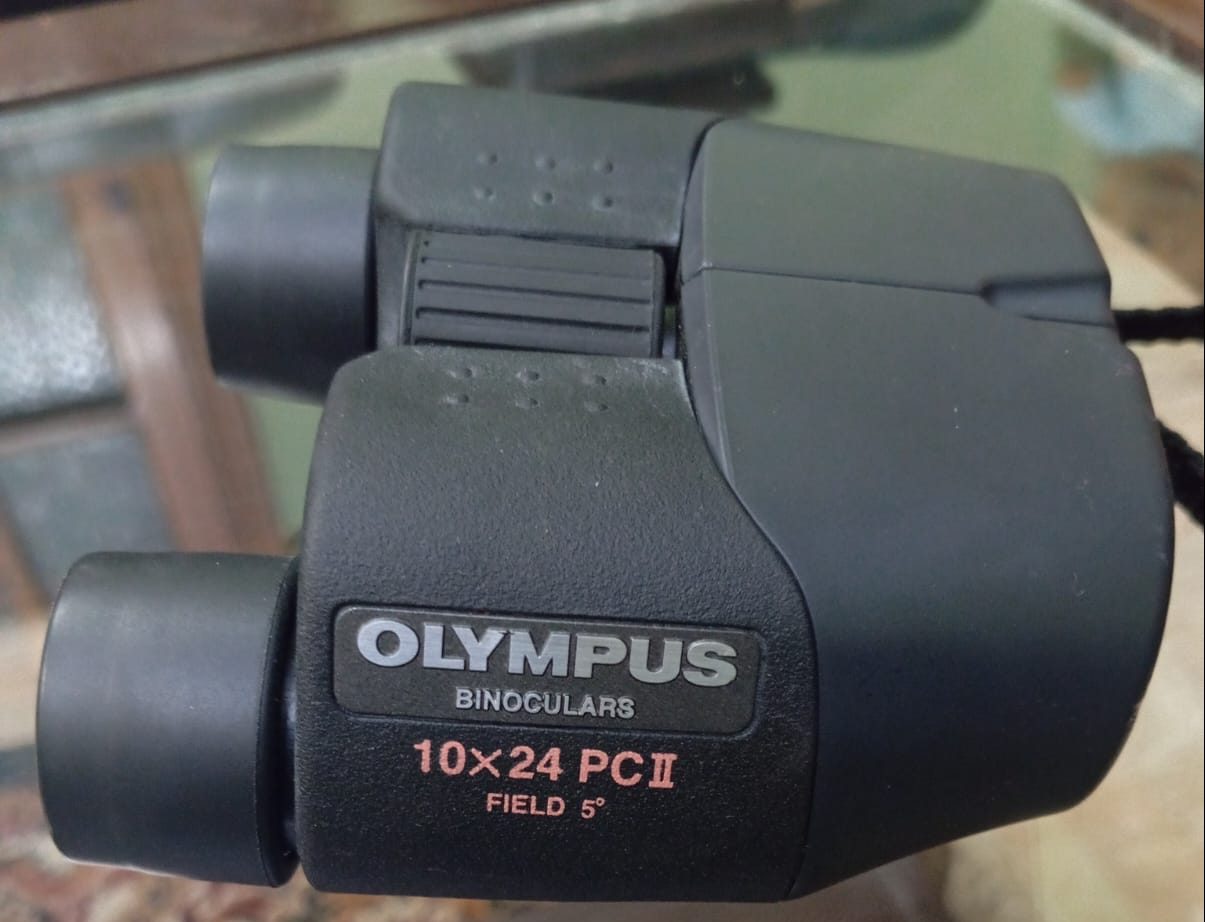
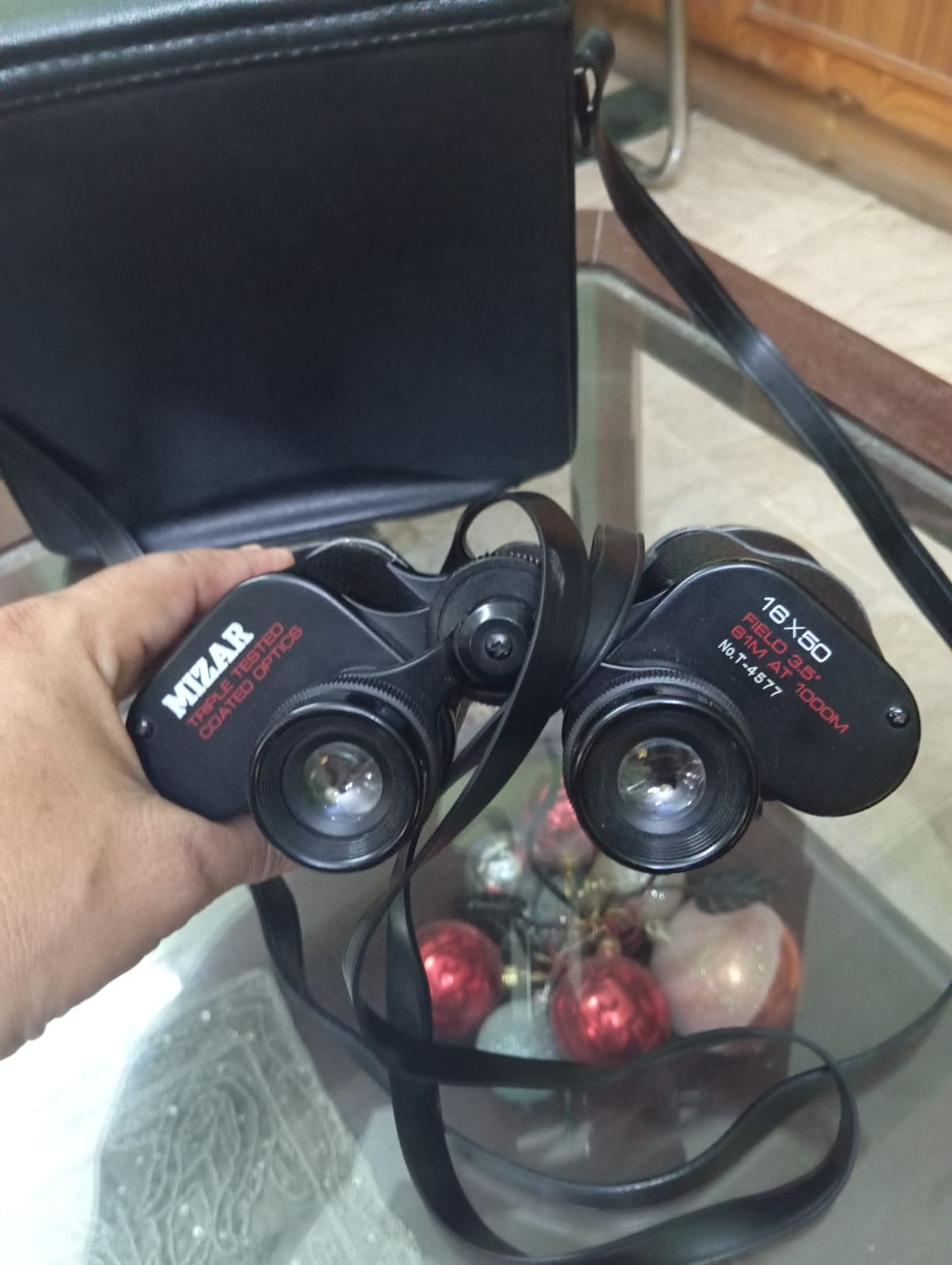
Unite Eye 10-30×50 High Powered Military Binoculars for Bird Watching are a type of optical device designed for various viewing activities such as bird watching, sports events, and general outdoor observation. Here are some key features and details about these binoculars:
Features of Unite Eye 10-30×50 High Powered Military Binoculars
- Magnification: The binoculars offer a variable magnification range from 10x to 30x, allowing users to zoom in on distant objects for a closer view.
- Objective Lens Diameter: The 50mm objective lenses allow for a good amount of light to enter the binoculars, which is beneficial for low-light conditions.
- Field of View: The field of view varies depending on the magnification level. Generally, lower magnifications offer a wider field of view, while higher magnifications provide a narrower field of view.
- Prism Type: These binoculars likely use Porro prisms, which are common in binoculars with larger objective lenses. Porro prisms generally provide better depth perception and a wider field of view than roof prisms.
- Coating: Multi-coated lenses improve light transmission and reduce glare, enhancing image clarity and brightness.
- Build Quality: Typically, such binoculars are built with a durable, rugged body to withstand outdoor conditions. They may also be water-resistant or waterproof.

- Focus System: The binoculars likely feature a central focus wheel for quick focusing and a right-eye diopter adjustment to fine-tune the focus for individual eyes.
- Eye Relief: Adequate eye relief ensures comfort, especially for users who wear glasses.
Bushnell 16X52 Dual Focus Anti Fog Non-Infrared HD Monocular Telescope
Usage Tips:
- Adjust the Magnification: Use the zoom lever or knob to adjust the magnification from 10x to 30x based on your viewing needs.
- Focus Properly: Start with the central focus wheel to get a clear image, then use the diopter adjustment to fine-tune the focus for each eye.
- Stabilize the Binoculars: Even slight hand movements can cause a shaky image at higher magnifications. Consider using a tripod or resting your elbows on a stable surface for steadier viewing.
- Clean the Lenses: Use a soft, lint-free cloth to clean the lenses. Avoid using harsh chemicals or rough materials that could scratch the lenses.
- Store Safely: Keep the binoculars in a protective case when not in use to prevent damage from dust, moisture, and impacts.
What lens is used in binoculars?
Binoculars typically use a combination of convex (or converging) lenses and prisms. Here’s a breakdown of the key optical components in most binoculars:
- Objective Lenses: These are the large lenses at the front of the binoculars. They gather light from the distant object and bring it to focus, forming an image inside the binoculars. These lenses are usually convex.
- Prisms: Binoculars use prisms to flip the image right-side up. Without the prisms, the image would appear upside down because of the way light passes through the convex lenses. The most common types of prisms used are Porro prisms and roof prisms:

- Porro Prisms: These prisms are offset in a zigzag pattern and are typically found in traditional binocular designs.
- Roof Prisms: These prisms are aligned more linearly, allowing for a more compact and streamlined binocular design.
- Eyepiece Lenses: These lenses are near the user’s eyes and magnify the image formed by the objective lenses and corrected by the prisms. They are also typically convex lenses.
This unite binocular use of convex lenses and prisms allows binoculars to provide clear, magnified, and correctly oriented images.
These binoculars offer versatility with their adjustable magnification and robust build, making them suitable for a range of outdoor activities.