
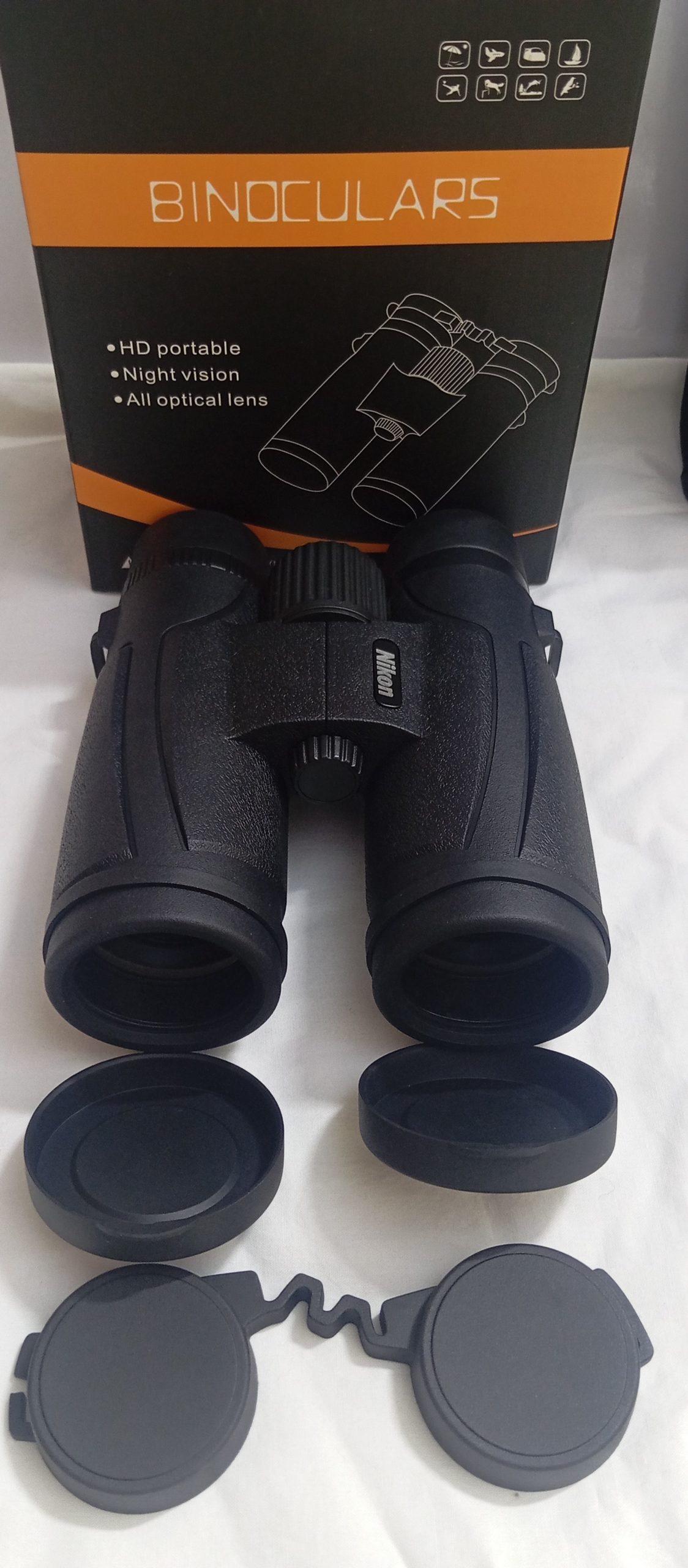
The Nikon 8×42 is widely considered the “Gold Standard” of binoculars. It strikes a near-perfect balance between magnification, light-gathering ability, and ease of use. Whether you are looking at the entry-level Prostaff series or the flagship Monarch HG, the “8×42” designation defines its core capabilities.
1. Understanding the Numbers: Zoom & Magnification
In the designation 8×42, the two numbers reveal how the binocular “zooms” into the world:
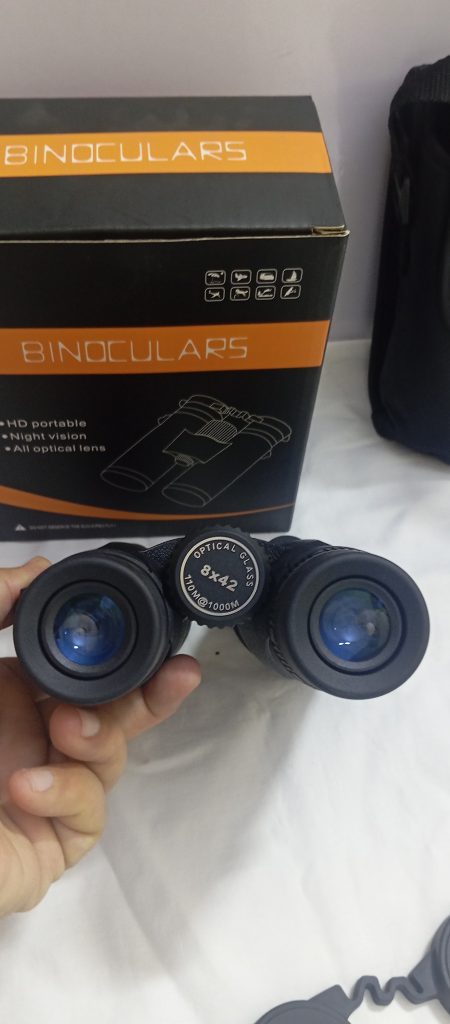
- 8x (Magnification): This means the object you are viewing appears 8 times closer than with the naked eye. While higher magnifications (like 10x or 12x) exist, 8x is preferred by many because it provides a wider field of view and is much easier to hold steady. Any slight hand tremor is less noticeable at 8x, leading to a more comfortable, “shake-free” viewing experience.
- 42mm (Objective Lens Diameter): This is the width of the front lenses. A 42mm lens is “full-sized,” meaning it gathers a significant amount of light.
- The Exit Pupil: By dividing 42 by 8, we get an exit pupil of 5.25mm. This is the diameter of the beam of light that reaches your eye. Since the human pupil usually dilates to about 5–7mm in low light, this binocular is excellent for clear viewing during “golden hour” (dawn or dusk).
Best High-Power Astronomy Binoculars
2. Optical Structure and Lens Technology
Nikon uses several layers of advanced technology to ensure the image is crisp and colour-accurate:
- Lens Type (ED Glass): Most mid-to-high-end Nikon 8×42 models (like the Monarch series) feature Extra-low Dispersion (ED) glass. This specialised glass minimises “chromatic aberration,” which is the annoying purple or green fringing you sometimes see around dark objects against a bright sky.
- Prism System (Roof Prism): Nikon 8x42s typically use a Roof Prism design. This allows the barrels to be straight and slim, making the binoculars more compact and easier to grip.
- Coatings:
- Dielectric High-Reflective Multilayer Coating: Applied to the prisms to ensure that almost 100% of the light entering the front comes out the back.
- Phase-Correction Coating: Corrects phase shifts in light reflected within the prism, resulting in higher contrast and resolution.
- Eco-Glass: Nikon uses lead-free and arsenic-free glass in all lenses and prisms.
3. Physical Structure and Durability
Nikon builds these to survive the outdoors. The structural highlights include:
- Chassis Material: Entry models use carbon-fibre reinforced polycarbonate, while premium models like the Monarch HG use magnesium alloy for a lightweight yet “tank-like” feel.
- Weatherproofing: They are O-ring sealed and Nitrogen-purged, making them 100% waterproof and fog-proof. You can move from a warm car to a freezing field without the internal lenses fogging up.
- Rubber Armour: The exterior is coated in a durable rubber that provides a non-slip grip even when wet and protects the internal optics from minor drops.
4. Primary Applications
The 8×42 configuration is the most versatile on the market, making it suitable for:
| Application | Why 8×42 is Ideal |
| Bird Watching | The wide field of view makes it easy to find and track fast-moving birds in flight or thick brush. |
| Hunting | Excellent in the low light of dawn and dusk when game is most active; easy to carry during long stalks. |
| Sports & Concerts | Provides a bright, immersive view of the action without the “tunnel vision” of higher-powered optics. |
| Hiking & Travel | Small enough to fit in a backpack or hang comfortably around the neck for hours without fatigue. |
| Stargazing | While not a telescope, the 42mm lenses are large enough to see the moons of Jupiter and bright star clusters. |
Here is why the 8×42 Binoculars are best for hunting:
1. Superior Low-Light Performance
Most game animals (deer, elk, hogs) are most active during the “crepuscular” hours—dawn and dusk.
- The Exit Pupil Advantage: An 8×42 binocular produces an exit pupil of 5.25mm ($42 \div 8$). In contrast, a 10×42 produces only 4.2mm.
- Brighter Images: Because your own pupils dilate to about 5mm–7mm in low light, the 8×42 delivers a shaft of light that fully “fills” your eye. This makes the woods look brighter through the glass than they do to your naked eye, allowing you to spot a buck standing in deep timber shadows when a 10x model would look murky.
2. Finding Game Faster (Field of View)
Hunting isn’t just about looking at an animal; it’s about finding it first.
- Wider Window: 8x binoculars offer a significantly wider Field of View (FOV). For example, the Nikon Monarch M7 8×42 has a FOV of about 436 feet at 1,000 yards, while the 10x version drops to around 362 feet.
- Scanning: This wider view allows you to sweep a treeline or a hillside much faster. If a deer flickers its ear at the edge of your vision, you are more likely to catch that movement with an 8×42.
3. Rock-Solid Stability
When you are hiking up a ridge, or your heart is racing after a long stalk, your hands will naturally shake.
- Reduced “Vibrations”: Higher magnification (10x or 12x) amplifies every tiny hand tremor, making the image “dance.”
- Extended Glassing: The 8x magnification is much more forgiving. You can “glass” (stare through the binoculars) for 30 minutes straight without the eye strain and headaches that come from trying to stabilise a high-power image.
4. Depth of Field (Less Focusing)
In thick brush or “timber hunting,” game can appear at 20 yards or 100 yards.
- “Set and Forget”: 8×42 binoculars have a deeper depth of field. This means once you focus on a certain distance, objects both slightly closer and slightly further away remain in relatively sharp focus.
- Speed: You won’t have to constantly fiddle with the focus wheel as an animal moves through the trees, which is critical when seconds count.
5. Nikon-Specific Hunting Features
Nikon engineers their hunting-tier binoculars with specific field needs in mind:
- Anti-Reflective Coatings: Essential so that a flash of sun off your lenses doesn’t “spook” the game.
- Rubber Armour: Most Nikon 8x42s feature a thick, high-tension rubber coating. This isn’t just for grip; it muffles the sound if the binoculars accidentally bump against your rifle or a treestand.
- Lightweight Chassis: Models like the Monarch use fibreglass-reinforced polycarbonate or magnesium alloy, ensuring they don’t become a “neck anchor” during a 5-mile trek.


