New Binocular Purchase Guide for Buyers Here are some tips for purchasing the best binoculars.
When buying new binoculars, examining a few essential elements is critical to guaranteeing the ideal set.
Some Basic Guides for Buyers.
- Magnification & Objective Lens Diameter
Magnification (e.g., 8x, 10x): The first number represents the magnification power. A binocular with 8x magnification makes an item look eight times closer.
The second number (e.g., 42mm) denotes the diameter of the objective lenses (the huge lenses in front) in millimetres.- Larger lenses collect more light, which can be useful in low-light situations and make the binoculars heavier.
Common configurations:
- Larger lenses collect more light, which can be useful in low-light situations and make the binoculars heavier.
8×42: Ideal for general use, with a broad field of vision and strong light-collecting capabilities.
10×50: This lens provides more magnification and improved light gathering, but it is slightly heavier and may have a smaller field of view.
- Field Of View (FOV)
FOV, measured in feet at 1,000 yards or metres at 1,000 metres, refers to the width of the area viewable through the binoculars.- A broader field of view is beneficial for monitoring moving things, such as birds or wildlife.
- Optical Quality of Binoculars:
- Lens Coatings. Lens coatings help minimise glare and increase light transmission. For the greatest visual quality, find binoculars with completely multi-coated lenses.
Prisms are classified into two types: porro and roof prisms.
Porro Prism: Provides superior depth perception and overall image quality at a lesser cost but is larger.
Roof prisms are more compact and durable, but they may be more expensive to obtain the same optical quality.
- Lens Coatings. Lens coatings help minimise glare and increase light transmission. For the greatest visual quality, find binoculars with completely multi-coated lenses.
- Build Quality of Binoculars:
Waterproofing and Fogproofing: If you want to use binoculars outside, particularly in rainy weather, seek waterproof and fogproof versions.
Durability: Look for binoculars with rubber armour to improve grip and shock resistance. - Size and Weight:
- Full-Size (8×42, 10×50) Ideal for serious wildlife viewing and astronomy but hefty.
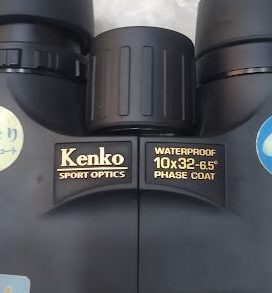
Mid-Size: (7×35, 10×32) Balances performance with portability.
Compact: (8×25, 10×25) Best for portability, but less effective in low light and with a shorter field of view.
- Full-Size (8×42, 10×50) Ideal for serious wildlife viewing and astronomy but hefty.
- Eye Relief.
This is the distance from the eyepiece to your eye while maintaining a complete field of view. It is especially significant for those who use glasses.- If you use spectacles, look for eye relief of at least 15mm.
- Focus Type
Central Focus: A central wheel controls the focus of both eyes at once. It’s the most popular and simple to use.
Individual Focus: Each eyepiece is focused individually.- These are commonly seen on maritime and astronomical binoculars and are suitable for seeing from a set distance.
Hunter 50 x50 Binocular for Stargazing and Moon Watching
- Testing Before Purchasing
Test the binoculars in-store or buy from a merchant with a solid return policy if feasible. Ensure they’re comfortable to handle, easy to focus on, and provide a clear image.
Considering these criteria, you may select binoculars most suited to your personal requirements and tastes. - Brand Reputation.
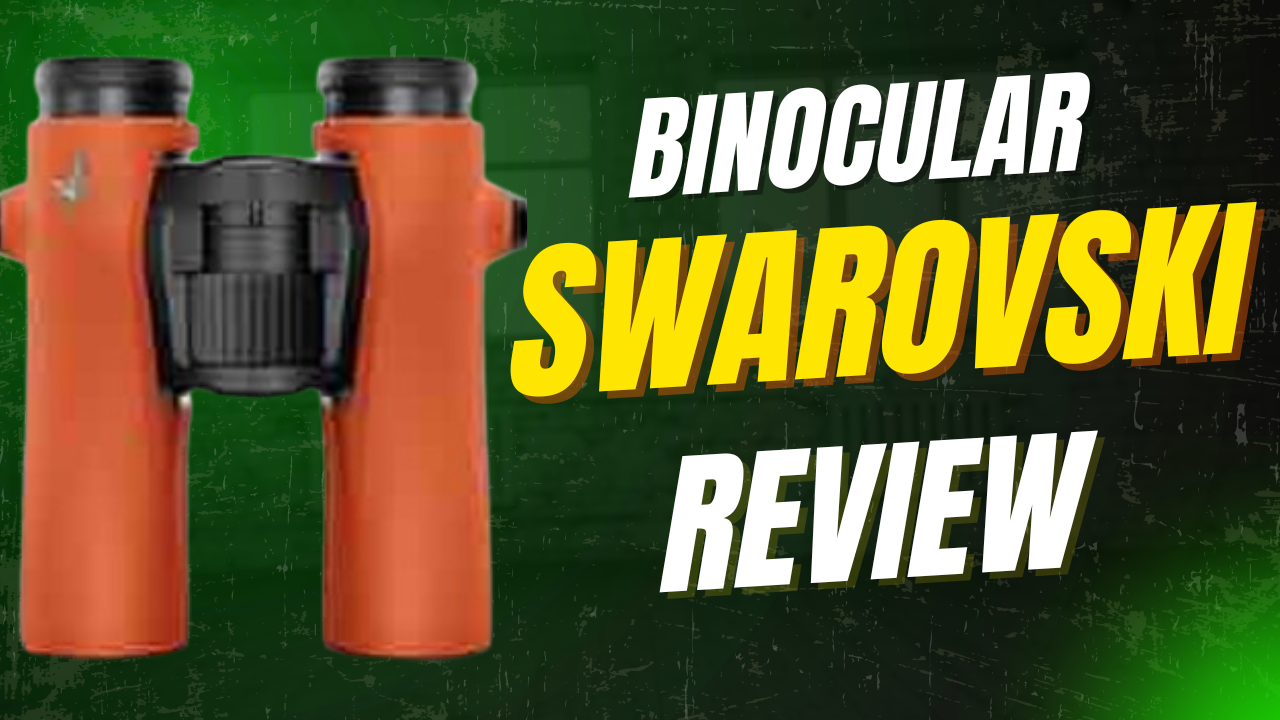
Nikon, Celestron, Vortex, Zeiss, Leica, and Swarovski are all recognised brands. They sell a variety of binoculars, from entry-level to high-end.
- Intended use
Bird watching: Choose 8×42 or 10×42 for a suitable blend of magnification, field of vision, and light gathering.
Hiking/Travel: Compact or mid-size types (8×25 or 10×32) are lightweight and portable.
Stargazing: Use larger models (10×50 or 20×80) to gather more light.
Sports events frequently require 8×32 or 10×25 versions, which are lightweight and portable. - Pricing Range
Budget (under $100): Ideal for casual use. Expect minimal optical quality.
Mid-range ($100-$300): Provides improved optics, durability, and comfort.
High-end ($300 and up): These high-quality optics offer exceptional clarity, colour accuracy, and construction quality. They are ideal for both hobbyists and professionals.