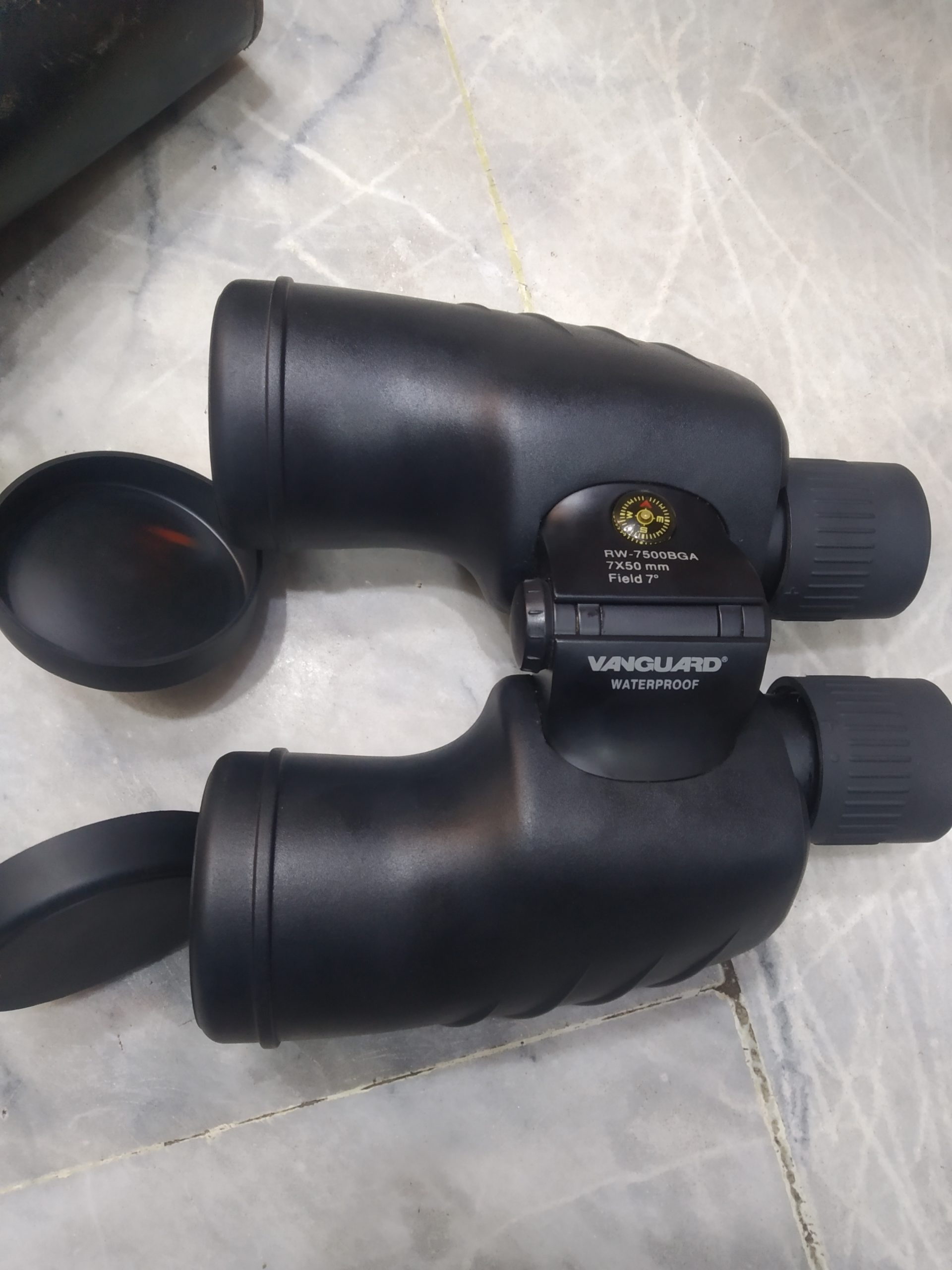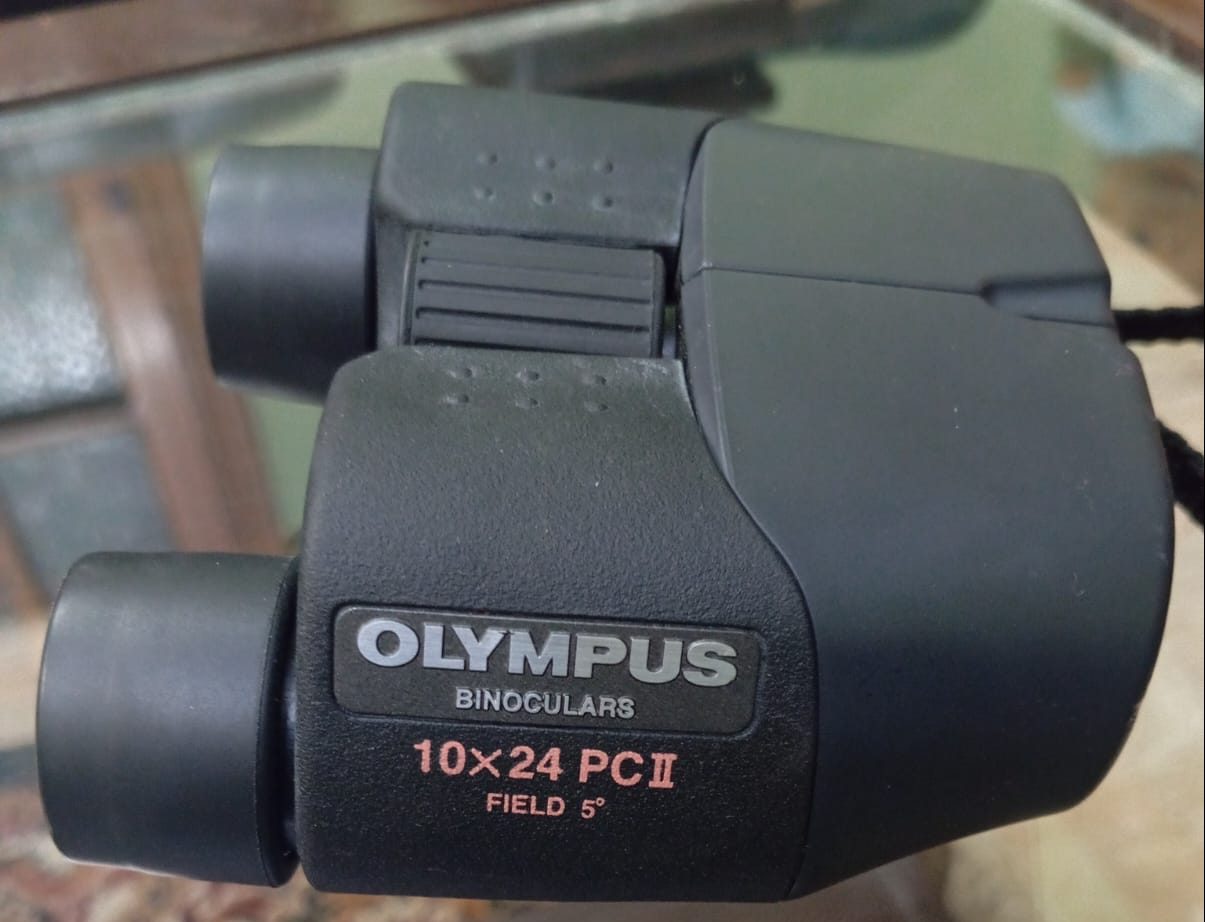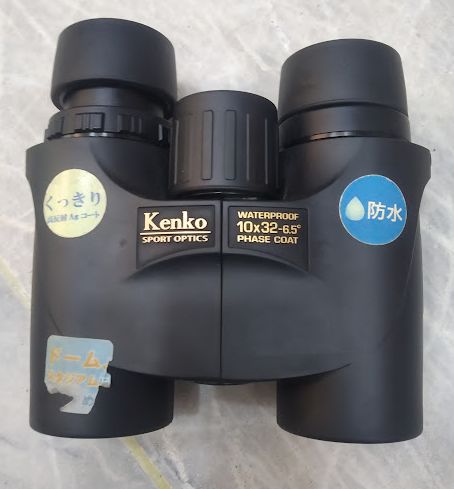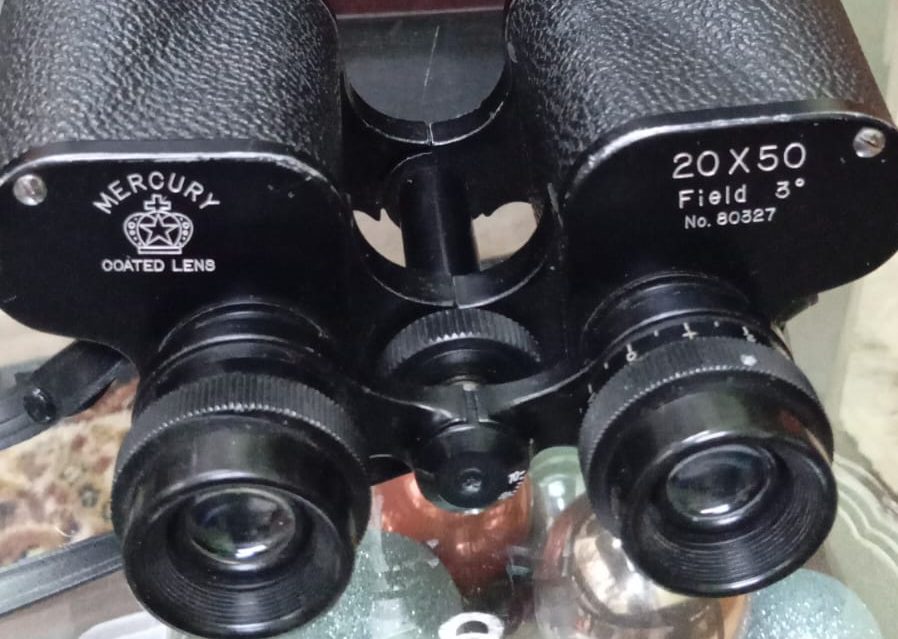
“Mercury binoculars” isn’t a widely recognized term in optics or astronomy. However, it might refer to a brand, model, or type of binoculars designed for specific purposes, such as observing Mercury or other celestial objects.
Suppose you’re referring to binoculars intended for stargazing or astronomy.
In that case, they typically have a high magnification and large objective lenses to gather more light, making them suitable for observing planets like Mercury.
Binoculars with at least 10x magnification and 50mm objective lenses (10×50) are often recommended for planetary observations.
If “Mercury binoculars” refers to something else or if it’s a specific product name, could you provide more context?
Suppose you’re referring to binoculars intended for stargazing or astronomy.

Best Binoculars for Bird Watching with Glasses
In that case, they typically have a high magnification and large objective lenses to gather more light, making them suitable for observing planets like Mercury. Binoculars with at least 10x magnification and 50mm objective lenses (10×50) are often recommended for planetary observations.
If “Mercury binoculars” refers to something else or if it’s a specific product name, could you provide more context? but there are a few factors to consider:
Pros of Mercury Japan 20×50 Binoculars:
- High Magnification (20x): The 20x magnification will allow you to see the Moon in detail and observe some of the larger craters and lunar features.
- It might also give you decent views of some of the brighter planets, like Jupiter and its moons, or Saturn’s rings.
- Large Objective Lens (50mm): The 50mm objective lenses gather more light, which is crucial for low-light conditions like stargazing. This size is fairly standard and should perform well under reasonably dark skies.
Cons of Mercury Japan 20×50 Binoculars:
- Handheld Stability: With 20x magnification, you might find it difficult to keep the image stable without using a tripod or some form of stabilization. Handheld use could lead to a shaky view, which can be frustrating when observing celestial objects.
- Field of View: High-magnification binoculars typically have a narrower field of view, making it harder to locate and track objects in the sky, especially if you are new to stargazing.
- Brightness: While the 50mm objective lenses are good for gathering light, the high magnification might reduce the image’s brightness. This could make it harder to see fainter stars or other deep-sky objects.