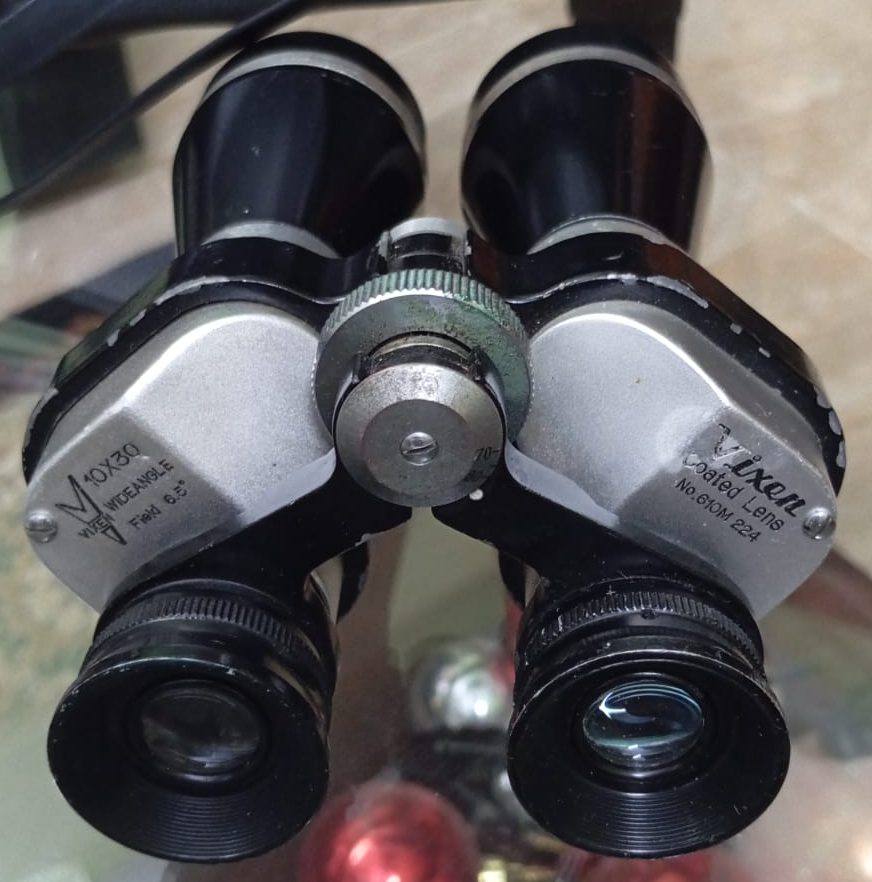
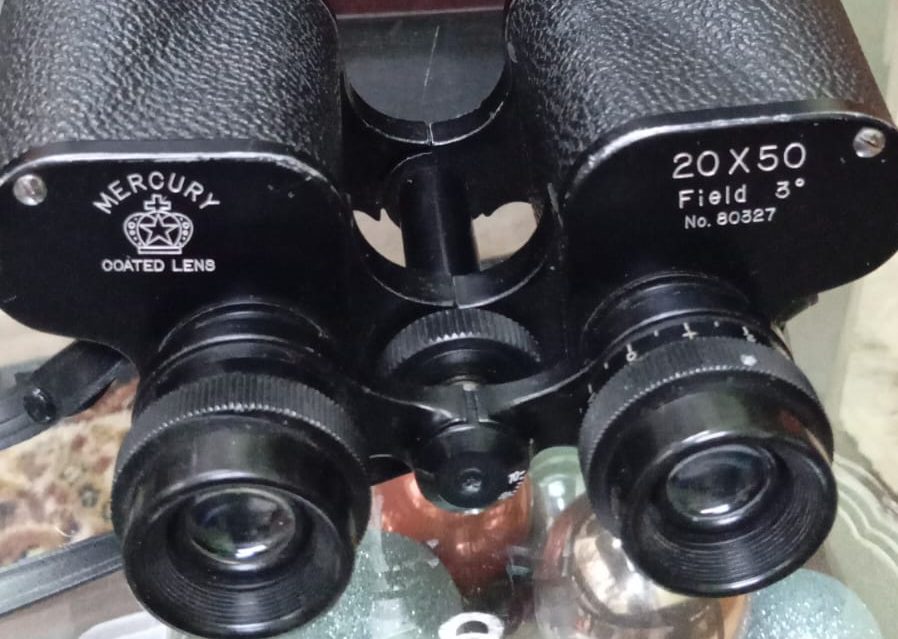
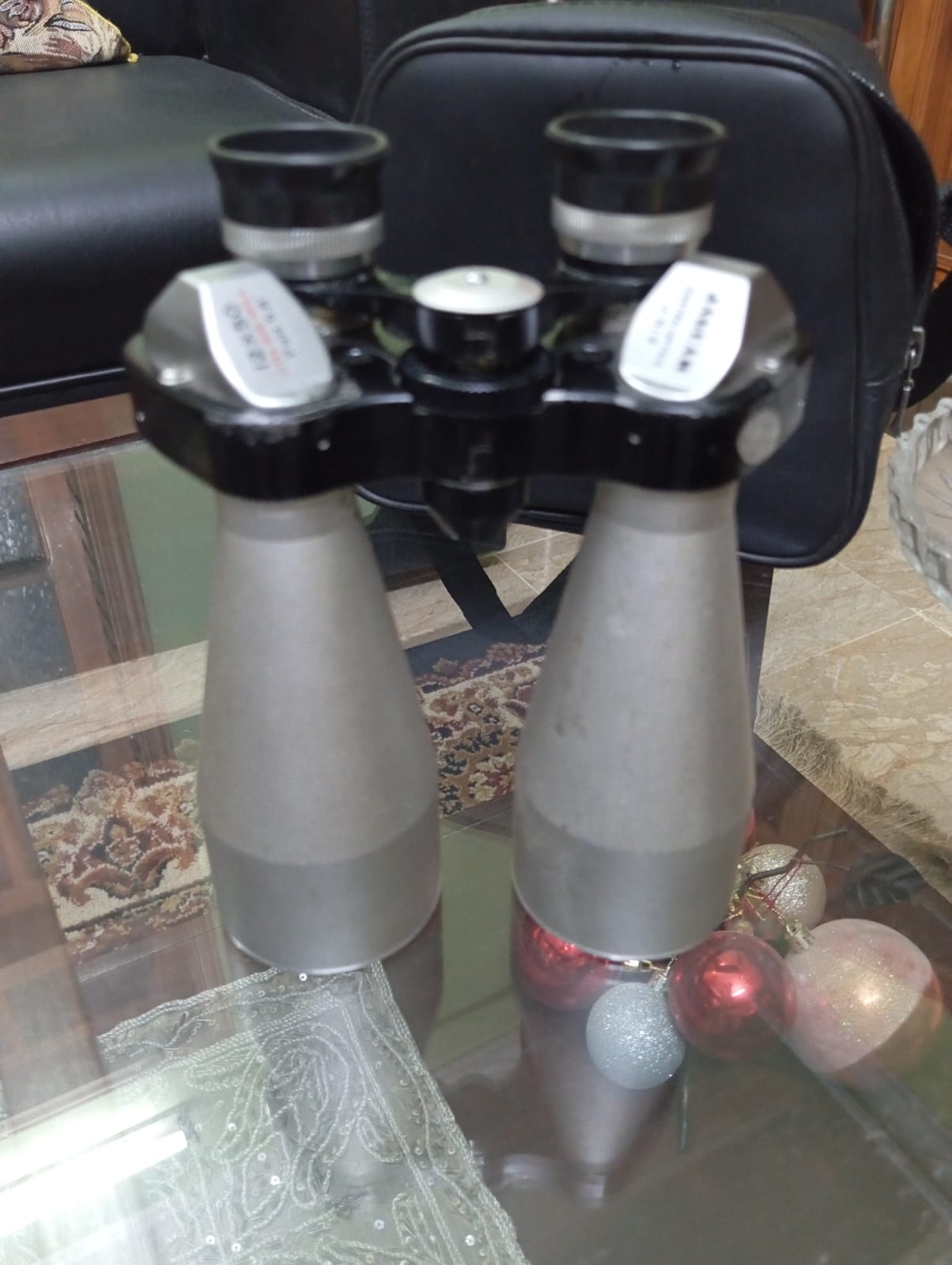
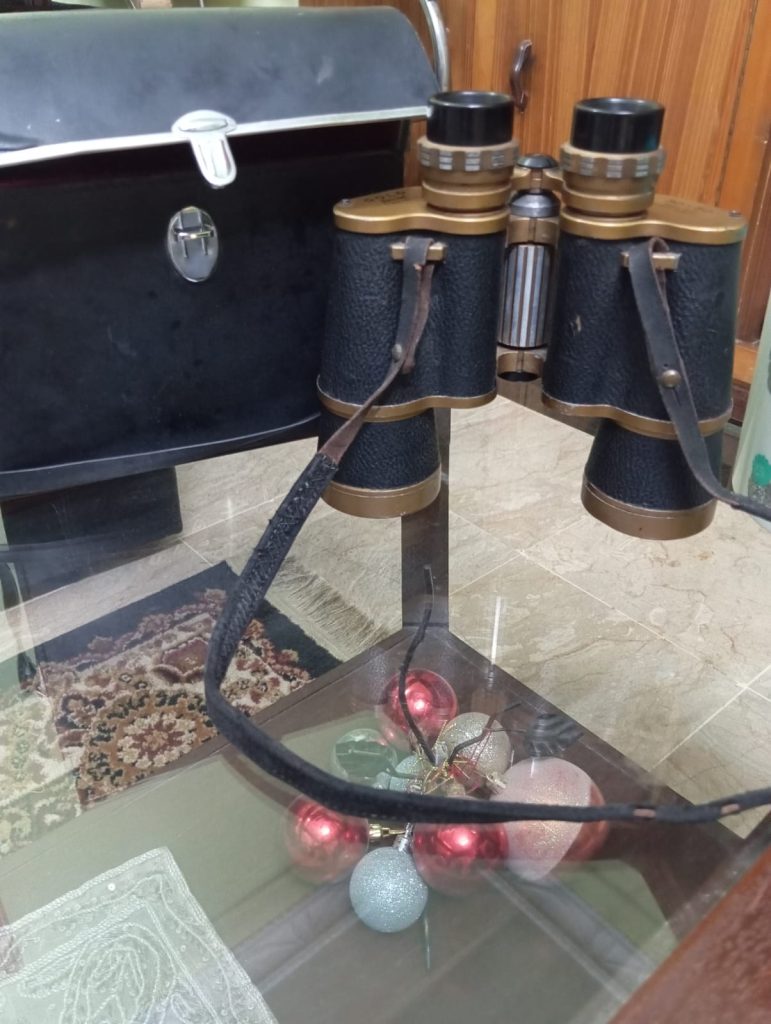
The GOLD 30×50 binoculars can be a decent choice for moon watching and stargazing, but there are a few key factors to consider:
Magnification and Aperture
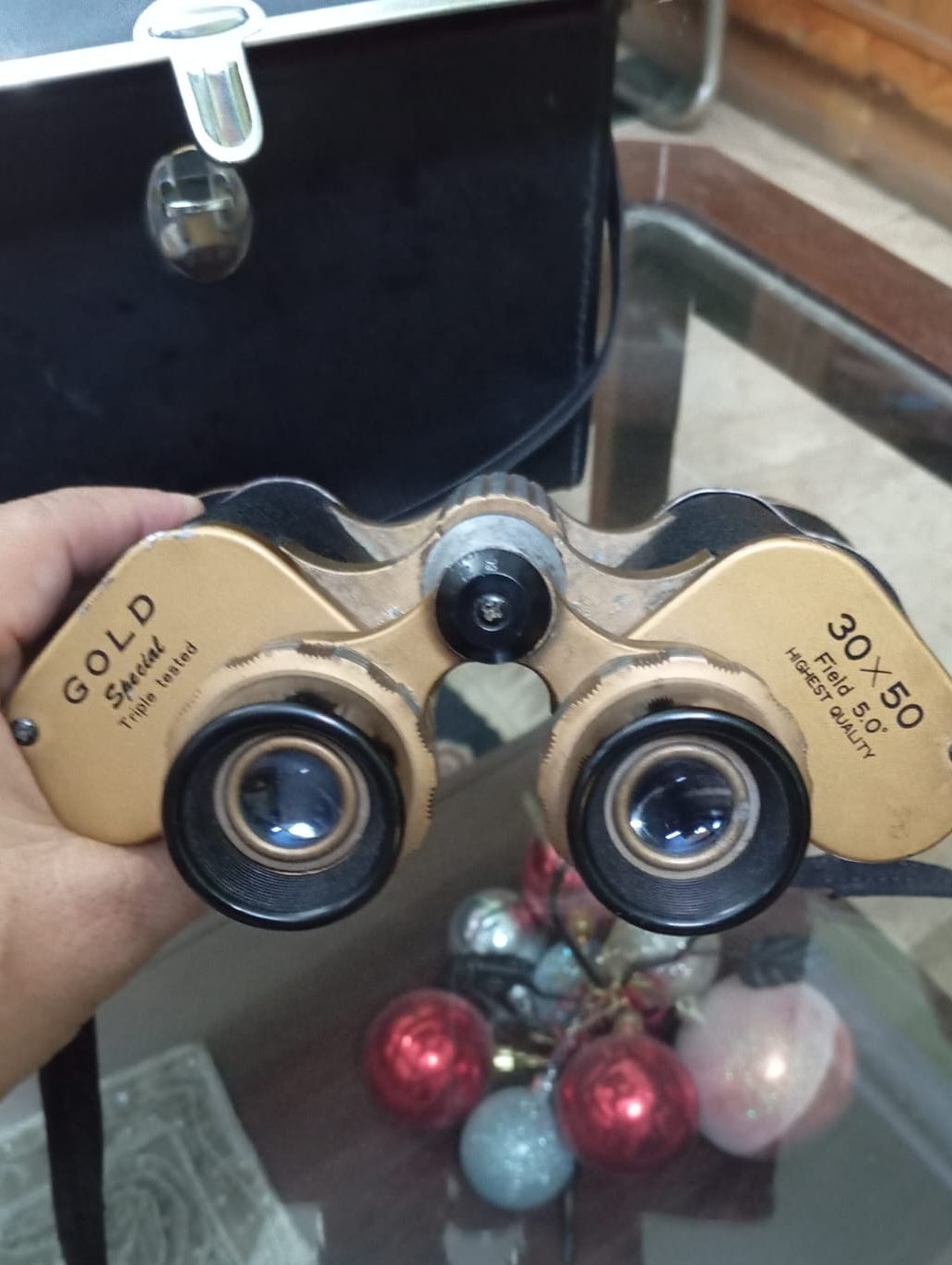
- 30x Magnification: This is quite high for handheld binoculars. High magnification can lead to a shaky image if not stabilized.
- 50mm Objective Lens Diameter: This size allows more light to enter, making them good for low-light conditions like stargazing. However, for serious stargazing, larger apertures are often recommended.
Unite Eye 10-30×50 High Powered Military Binoculars for Bird Watching
Features to Consider
- Optical Quality: Look for binoculars with good-quality lenses and coatings to reduce glare and improve clarity.
- Stabilization: With high magnification, a tripod or image stabilization feature can be very helpful to reduce shaking.
- Field of View: A wider field of view can make it easier to locate and follow objects in the sky.
Comparisons
For stargazing, many enthusiasts prefer binoculars with a lower magnification (e.g., 7×50 or 10×50) because they provide a steadier image and a wider field of view. Higher magnifications are often used with telescopes rather than binoculars.
Best Binoculars for moon-watching
Moon watching with binoculars can be a fascinating experience, allowing you to see details on the lunar surface that are invisible to the naked eye. Here are some tips on choosing the right binoculars and what to expect:
Choosing the Right Binoculars
- Magnification and Objective Lens Diameter:
- 7×50 (7 times magnification with 50mm objective lenses) is a popular choice because it provides a good balance between magnification and light-gathering ability.
- 10×50 can also be a good option, offering higher magnification for more detail, though they might be slightly heavier and harder to hold steady.
- Quality of Optics:
- Look for binoculars with fully multi-coated lenses, which improve light transmission and reduce glare.
- High-quality prisms, such as BaK-4, provide better image clarity and brightness.
- Field of View:
- A wider field of view makes it easier to locate and track objects in the night sky.
- Stability:
- Consider a tripod adapter or binoculars that come with image stabilization features if you find it difficult to hold them steady.
Features to Look For
- Eye Relief: Important for comfort, especially if you wear glasses. Longer eye relief allows you to see the full field of view without having to press your eyes close to the lenses.
- Build Quality: Waterproof and fog-proof designs are beneficial for durability and use in different weather conditions.
- Weight and Ergonomics: Ensure the binoculars are comfortable to hold and not too heavy for extended viewing sessions.
Observing the Moon
With a good pair of binoculars, you can see:
- Craters: The Moon’s surface is covered in craters of various sizes.
- Maria: These are the dark, flat plains on the Moon’s surface, formed by ancient volcanic eruptions.
- Mountains and Valleys: The binoculars will reveal the rugged terrain of the Moon.
- Phases of the Moon: You can observe how the appearance of the Moon changes from new moon to full moon.
Recommendations
- Celestron SkyMaster 15×70: Higher magnification for more detailed views.
- Nikon 10×50 Action Extreme: Durable, waterproof, and great optics for the price.
- Orion 9326 Giant View 25×100 Astronomy Binoculars: For serious moon watchers who want exceptional detail.
Happy moon-watching!
Recommendations
- Mounting: Consider using a tripod to stabilize the binoculars.
- Alternatives: If you’re serious about stargazing, you might also look into entry-level telescopes, which can provide better stability and higher magnification suitable for astronomical observations.