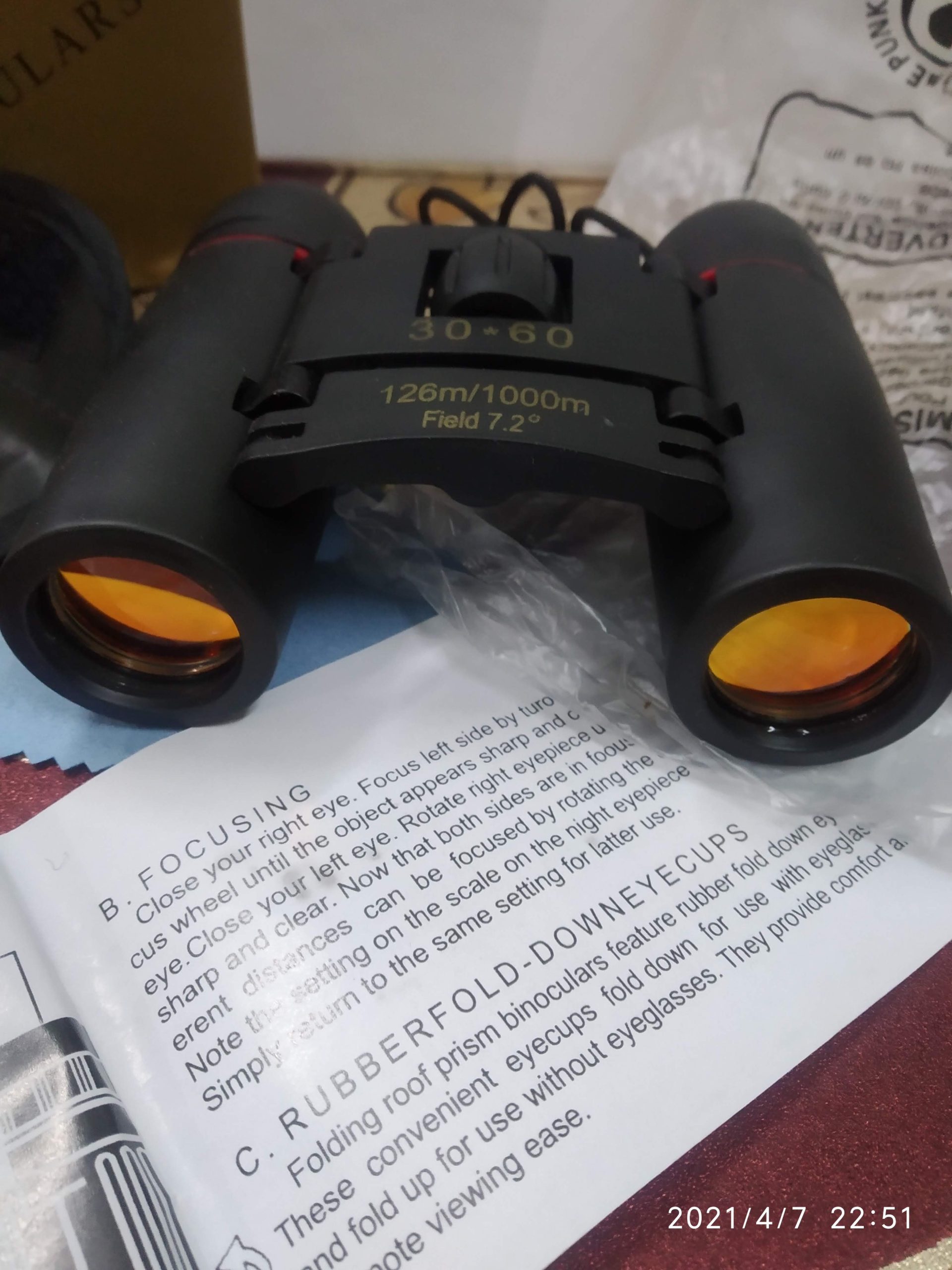
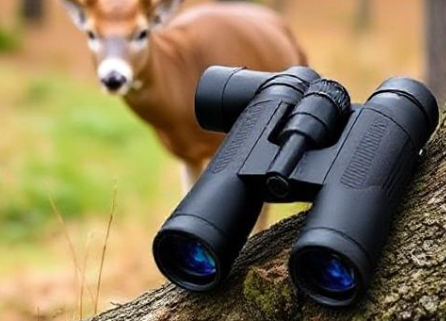
This Blog discusses whether binoculars are the best for hunting. Binoculars are often considered one of the best tools for hunting, and for good reason. They help hunters see farther, stay hidden, and make smarter decisions before taking any action. While they are not the only optics used in hunting, binoculars play a vital role.
One significant advantage of binoculars is their ability to enable early detection. They allow hunters to spot animals from long distances without moving closer. This reduces noise and movement, which lowers the chance of scaring game away. Seeing animals early also gives hunters time to plan their approach.
Binoculars also improve safety and accuracy. A clear view helps hunters correctly identify the animal, check its size, and confirm it is legal to hunt. This is especially important in low-light conditions, such as early morning or late evening. Using binoculars first prevents rushed or unsafe shots.
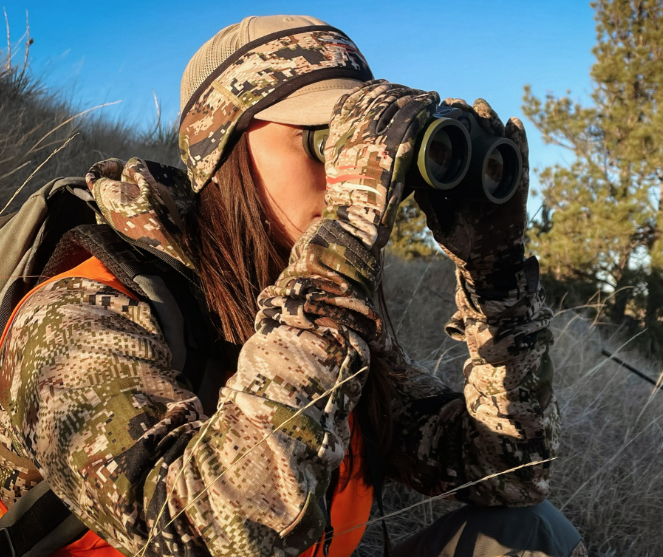
Another benefit is eye comfort. Unlike rifle scopes, binoculars use both eyes. This reduces eye strain during long glassing sessions. Hunters who spend hours scanning landscapes find binoculars far more comfortable and practical.
Binoculars are also versatile. They are helpful not only for spotting game but also for scouting terrain, checking paths, and watching animal behaviour. This makes them valuable throughout the entire hunt, not just at the moment of shooting.
However, binoculars are not perfect. They do not replace a rifle scope for precise aiming. Carrying them also adds extra weight, which may matter during long hunts. Still, most hunters feel the benefits outweigh these minor drawbacks.
Some Key Factors if You Choose Binoculars for Hunting
If you determine binoculars are right for your hunt, the correct specifications are crucial:
Best Small Binoculars for Hunting in the World
- Magnification:8x to 10x is the sweet spot for most hunting.
- 8x (e.g., 8×42): Wider field of view, brighter image, less hand shake. Ideal for timber and closer ranges.
- 10x (e.g., 10×42): More detail at longer ranges. Better for open country. A tripod or chest harness is recommended for extended glassing with 10x.
- Objective Lens Size: 42mm is the standard full-size, offering an outstanding balance of light gathering and portability. 32mm (e.g., 8×32) is an excellent choice for a lighter, more compact option when ultimate low-light performance isn’t critical.
- Optical Quality: This is paramount. Look for fully multi-coated lenses, high-quality prisms (Roof prisms are sleeker; Porro prisms often offer better depth perception). Good glass transmits more light for dawn/dusk viewing and provides a sharper, clearer image.
- Durability & Ergonomics: They must be waterproof/fogproof (nitrogen-purged), have rugged rubber armour, and feel comfortable in your hands.
- Eye Relief: Critical if you wear eyeglasses. Look for long eye relief (15mm+).
Right Binoculars for this Job
- For open-country, spot-and-stalk, or mountain hunting: YES, binoculars are the best and most essential optical tool. They are the primary instrument for finding game.
- For dense woods or driven hunts: Binoculars are still a handy tool for careful observation and judgment, but your firearm’s optic may be your primary shooting tool. A compact bino can be a great choice here.
- For the ultimate long-range setup: Binoculars are the first link in the chain (find with binos → judge with spotting scope → shoot with riflescope).
Binoculars are one of the best tools for hunting. They improve visibility, safety, comfort, and decision-making. While they work best when paired with other gear, binoculars remain essential for responsible and effective hunting.
Arguments FOR Binoculars Being “Best” for Hunting
- Efficiency in Glassing: For hunting open terrain (western mule deer, elk, pronghorn, sheep), binoculars are indispensable. They are designed for two-eyed viewing, which reduces eye strain during long hours of “glassing” to find animals at long range. A spotting scope is more powerful but has a narrower field of view and is harder to use for initial scanning.
- Safety and Judgment: Binoculars allow you to thoroughly assess an animal before shouldering your firearm or bow. You can check for legal requirements (antler points, sex), assess trophy quality, and observe behaviour without the tunnel vision of a scope, which is a critical safety practice.
- Spotting the Unseen: They reveal a game that is camouflaged, bedded down, or moving in the shadows that the naked eye would miss entirely. Much of hunting is about seeing game before it sees you, and binoculars dramatically increase your compelling vision.
- Lighter & More Portable than Spotting Scopes: For backcountry hunts where weight matters, a good pair of binoculars is a better compromise than carrying both a heavy spotting scope and a tripod.
- Versatility in Movement: They can be used on the move, quickly raised to check a hillside or a wood line, unlike a spotting scope, which requires stabilisation.