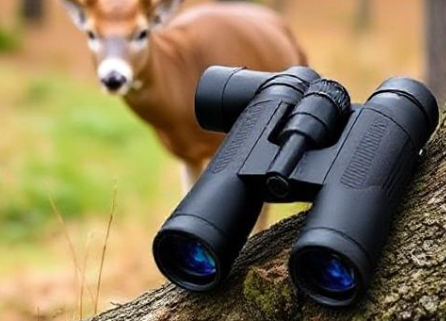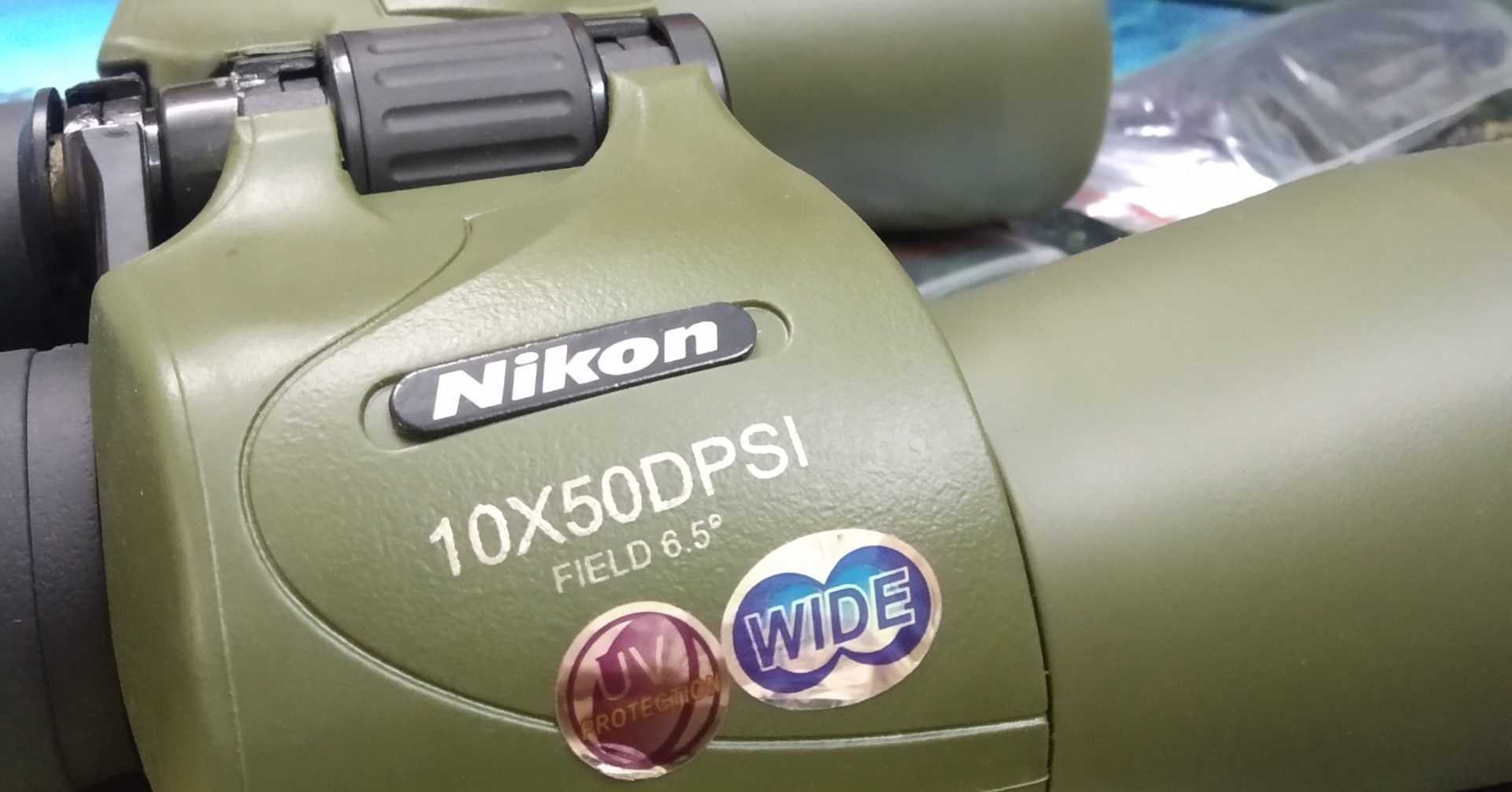
Can I see stars with 10×50 binoculars? Yes, you can see stars with 10×50 binoculars. Binoculars like these are popular for amateur stargazing because they balance magnification (10x) and light-gathering ability (50mm objective lenses).
Features of 10×50 Binoculars
- The Moon: The binoculars will provide an excellent view of the Moon, revealing craters, maria, and other features with much more detail than the naked eye.
- Star Clusters: Objects like the Pleiades, the Beehive Cluster, and the Double Cluster in Perseus will appear beautiful through 10×50 binoculars. You might also resolve more stars within these clusters than with the naked eye.
- Planets: You can easily spot planets like Jupiter and Saturn. While you won’t see the fine details, you can make out Jupiter’s four largest moons (the Galilean moons) and Saturn’s general shape, including the rings in good condition.
- Bright Stars: You’ll see much fainter stars than those visible to the naked eye. The binoculars will gather more light, allowing you to see stars down to about magnitude 9 or 10 in good conditions.
- Nebulae and Galaxies: Some brighter nebulae, like the Orion Nebula, and galaxies like Andromeda, can be seen. They will appear as faint, fuzzy patches of light.
Comet 7×50 HD BAK4 Porro Prism Binocular
These binoculars are a great tool for casual stargazing, especially if you’re just starting to explore the night sky.
Stargazing with 10×50 binoculars is a great way to explore the night sky, especially for beginners or those who don’t have access to a telescope.
How to make the most of it:
What You Can See with 10×50 Binoculars:
- The Moon: You’ll get stunning views of the Moon’s craters, mountains, and maria (the dark, flat regions). The binoculars will provide a detailed look at the lunar surface, especially along the terminator (the line between the day and night sides).
- Planets:
- Jupiter: You can see the planet as a small disc and its four largest moons (Io, Europa, Ganymede, and Callisto) as tiny dots lined up around it.
- Venus: Venus will appear as a bright disc, and you may even observe its phases (similar to the Moon’s phases) depending on its position.
- Saturn: Saturn’s rings may appear as “ears” or an oval shape around the planet, though you won’t see the rings in full detail.
- Star Clusters:
- The Hyades: Another beautiful open cluster near the bright star Aldebaran.
- The Pleiades (M45): This open star cluster looks stunning through 10×50 binoculars, with many of the bright stars visible in a single field of view.
- The Milky Way: If you’re in a dark location, sweeping across the Milky Way with your binoculars will reveal countless stars and some star clouds.
- Orion Nebula (M42): This bright nebula in the Orion constellation can be seen as a faint, fuzzy patch. It’s one of the most rewarding nebulae to observe with binoculars.
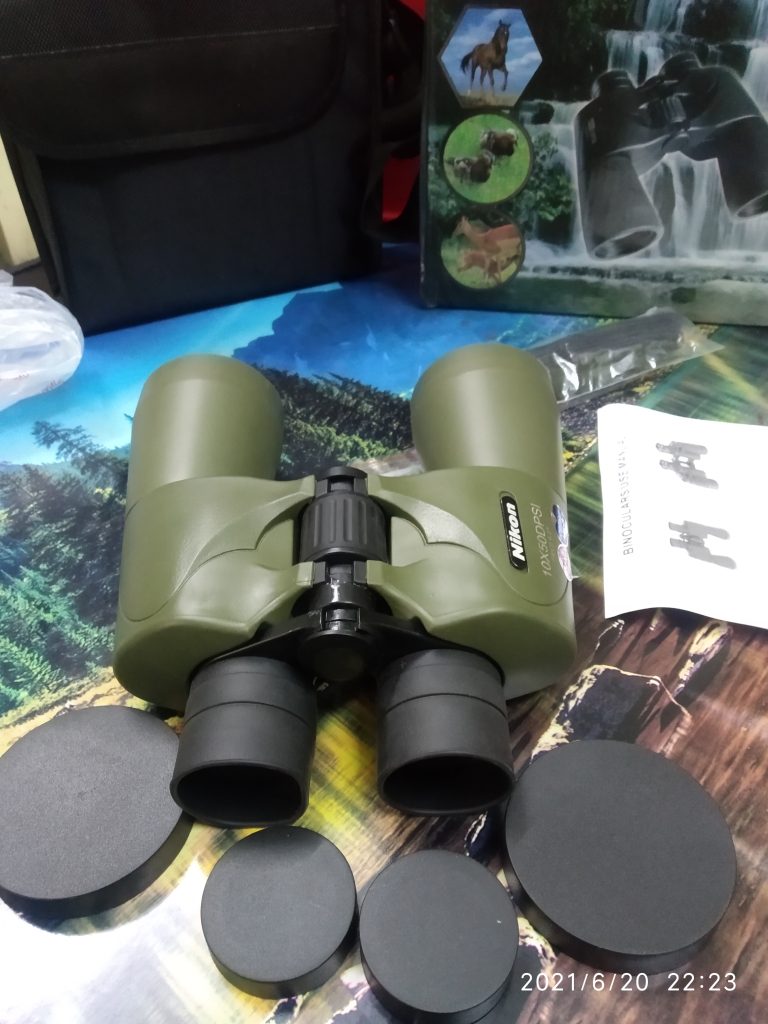
- Bright Stars and Double Stars:
- Sirius: The brightest star in the night sky is a stunning sight.
- Albireo: A beautiful double star in the constellation Cygnus with contrasting colours (one blue and one orange).
Tips for Stargazing with 10×50 Binoculars:
- Steady Your View: Holding binoculars steady is crucial. If possible, use a tripod or rest your elbows on a solid surface to reduce shaking.
- Dark Adaptation: Spend at least 20 minutes outside to allow your eyes to adapt to the dark. Avoid looking at bright lights during this time.
- Use a Star Chart or App: Having a star chart or a stargazing app can help you identify objects and navigate the night sky more easily.
- Choose the Right Location: A dark, clear sky away from city lights will give you the best experience.
- Comfort: Bring a reclining chair or lie on a blanket so you can comfortably look up at the sky for extended periods.
With 10×50 binoculars, you have a versatile and powerful tool for exploring the night sky. Enjoy your stargazing adventure!