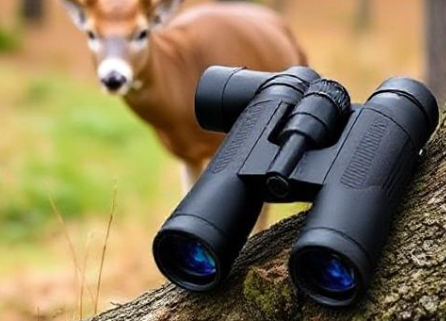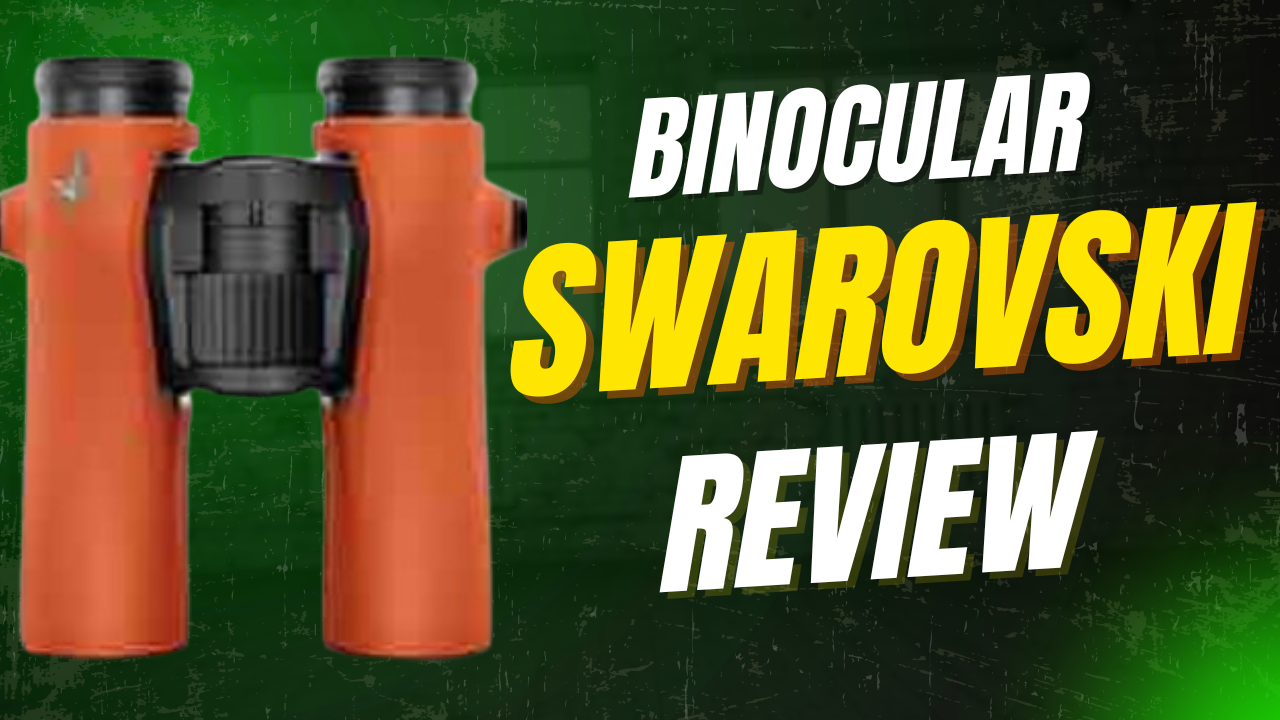
This articlae is about Best Swarovski Binoculars Review .Swarovski Optic binoculars are not just optical instruments; they are widely considered the pinnacle of consumer optics, representing a fusion of Austrian engineering, exquisite craftsmanship, and cutting-edge technology. They are the “luxury sports car” of the binocular world—commanding a premium price but delivering an unparalleled user experience characterized by breathtaking clarity, brilliant color fidelity, and robust, ergonomic design.
The overarching feeling when using Swarovski binoculars is one of effortless viewing. The image is so bright, sharp, and contrasty that it feels like you’re looking with your own eyes, but with superhuman reach and detail.
Detailed Breakdown of Key Aspects
1. Optical Performance: Where the Magic Happens
This is the primary reason for their reputation and price.
- Clarity and Sharpness: The center-field sharpness is simply exceptional. You can resolve feather details on a distant bird or the texture of bark on a tree with a level of detail that cheaper binoculars cannot match. This is due to Swarovski’s proprietary Swarotop and Swarodur coatings on the lenses and prisms, which minimize internal reflections and light loss.
- Brightness and Light Transmission: Even in low-light conditions (dawn, dusk, dense forest), the image remains remarkably bright. This is a result of high-quality glass (HT models feature “High Transmission” glass for even better performance) and their advanced coatings. This gives you a critical advantage when wildlife is most active.
- Color Fidelity and Contrast: The image is neutral and true-to-life. Swarovski deliberately avoids a warm or cool tint, presenting colors with stunning accuracy and saturation. The contrast is high, making objects stand out clearly against their background.
- Field of View (FOV): Swarovski models typically offer very wide fields of view, especially the EL series with its “Flat-Field” technology. This means you see a larger area without having to pan around, making it easier to locate and track fast-moving subjects like birds in flight.
- Edge-to-Edge Sharpness & “Flat-Field” Technology: This is a standout feature of the EL and NL Pure series. The image is critically sharp across almost the entire view, with very little distortion or softness at the edges. This reduces the “rolling ball” effect when panning and is a hallmark of premium optics.
2. Design, Ergonomics, and Build Quality
- Ergonomics: Swarovski invests heavily in ergonomic research. The EL and NL Pure models feature a distinct “thumb indents” design that allows them to sit securely and comfortably in your hands, reducing fatigue during long observation sessions. The focus wheel is typically large, rubberized, and buttery smooth.
- Build Quality and Durability: They are built to last a lifetime. The housing is made from a magnesium alloy, making them strong yet lightweight. They are nitrogen-purged and O-ring sealed, making them completely waterproof and fog-proof, capable of withstanding harsh environments from tropical rainforests to arctic tundras.
- Aesthetics: They are undeniably beautiful objects. The finish is flawless, the branding is subtle and elegant, and the overall feel is one of premium quality.
3. Key Product Lines Explained
Swarovski has several lines, each targeting a specific user.
- NL Pure (The Flagship):
- Best For: The serious birder, naturalist, or anyone who demands the absolute best.
- Key Features: The widest field of view on the market, exceptional ergonomics, and an innovative ** forehead rest** that provides a third point of contact for incredible stability. Represents the current peak of Swarovski’s technology.
- Models: e.g., NL Pure 8×42, 10×42, 12×42.
- EL (The All-Rounder):
- Best For: Most serious wildlife enthusiasts, birders, and hunters. Offers a near-NL experience at a slightly lower price point.
- Key Features: The iconic design with thumb indents, superb flat-field optics, and Swarobright coating for brilliant light transmission. The “workhorse” of the Swarovski lineup.
- Models: e.g., EL 8.5×42, EL 10×50.
- CL Companion (The Compact Companion):
- Best For: Hikers, backpackers, travelers, and as a premium secondary binocular.
- Key Features: More compact and lighter than the EL/NL, but with outstanding optics that outperform most full-size binoculars from other brands. A perfect balance of performance and portability.
- Models: e.g., CL Companion 8×30, 10×30.
- SLC (The Rugged Traditionalist):
- Best For: Hunters and those who work in rugged conditions. It’s a robust, traditional porro-prism design.
- Key Features: Renowned for their durability, deep contrast, and excellent low-light performance. Often considered a “best value” within the Swarovski family for the optical performance you get.
- Models: e.g., SLC 8×42, 10×42. (Note: Some SLC models are being phased out in favor of the EL line).
What is Difference between Monoculars Vs Binoculars
Pros and Cons Summary
Pros:
- Unrivaled Optical Quality: The best in class for sharpness, brightness, and color.
- Superb Ergonomics: Designed for comfort and stability during extended use.
- Exceptional Build Quality and Durability: Built to last and survive extreme conditions.
- Industry-Leading Warranty and Customer Service: Swarovski’s warranty is excellent, and their customer service, including cleaning and maintenance, is highly regarded.
- High Resale Value: They retain their value remarkably well.
Cons:
- Extremely High Cost: This is the single biggest barrier for most people.
- The “Swarovski Tax”: You are paying a premium for the brand name and the last 5-10% of performance over competitors like Zeiss and Leica.
- Can Make You “Spoiled”: Once you use Swarovskis, it’s very hard to go back to anything else!
Comparison to Main Competitors
- vs. Zeiss Victory SF: Zeiss SF competes directly with the NL Pure. The Zeiss often has a slightly wider field of view and a different ergonomic balance (more forward-centered). The choice often comes down to personal preference in feel and the subtlest differences in color rendering.
- vs. Leica Ultravid/Noctivid: Leica offers a more “classical” feel with a slightly warmer color tint. They are built like tanks and have a legendary reputation. The optics are stunning, but Swarovski generally has a slight edge in field of view and ergonomic innovation.
- vs. Kowa Prominar: Kowa is a major player, especially in spotting scopes. Their top-end Prominar binoculars are fantastic and often considered a “value” alternative, though they lack the same brand cachet and ergonomic refinement.
Who Are They For? The Verdict
Swarovski binoculars are not for the casual user. They are a significant investment.
They are ideally suited for:
- The serious birder or wildlife enthusiast for whom optics are a primary passion.
- Professional guides, researchers, and naturalists who rely on their optics daily.
- Hunters who need the absolute best performance in critical low-light moments.
- Anyone with the budget who appreciates finest-in-class tools and wants a “buy it for life” product.
Final Recommendation:
If your budget allows and your passion justifies it, buying a Swarovski is one of the best decisions you can make. The experience of looking through them is transformative. You are not just paying for a brand; you are paying for decades of optical innovation, flawless Austrian manufacturing, and a tool that will enhance every moment you spend in the field for the rest of your life.